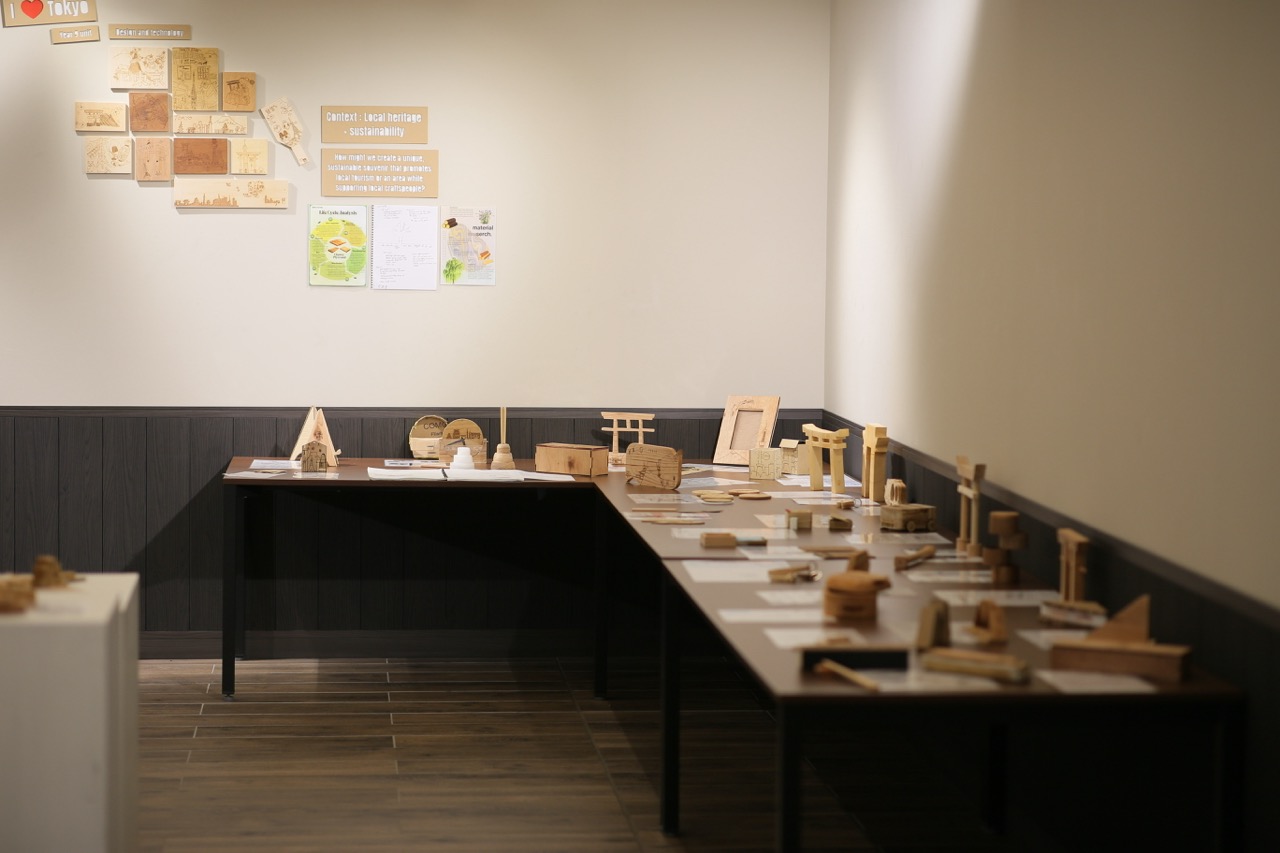
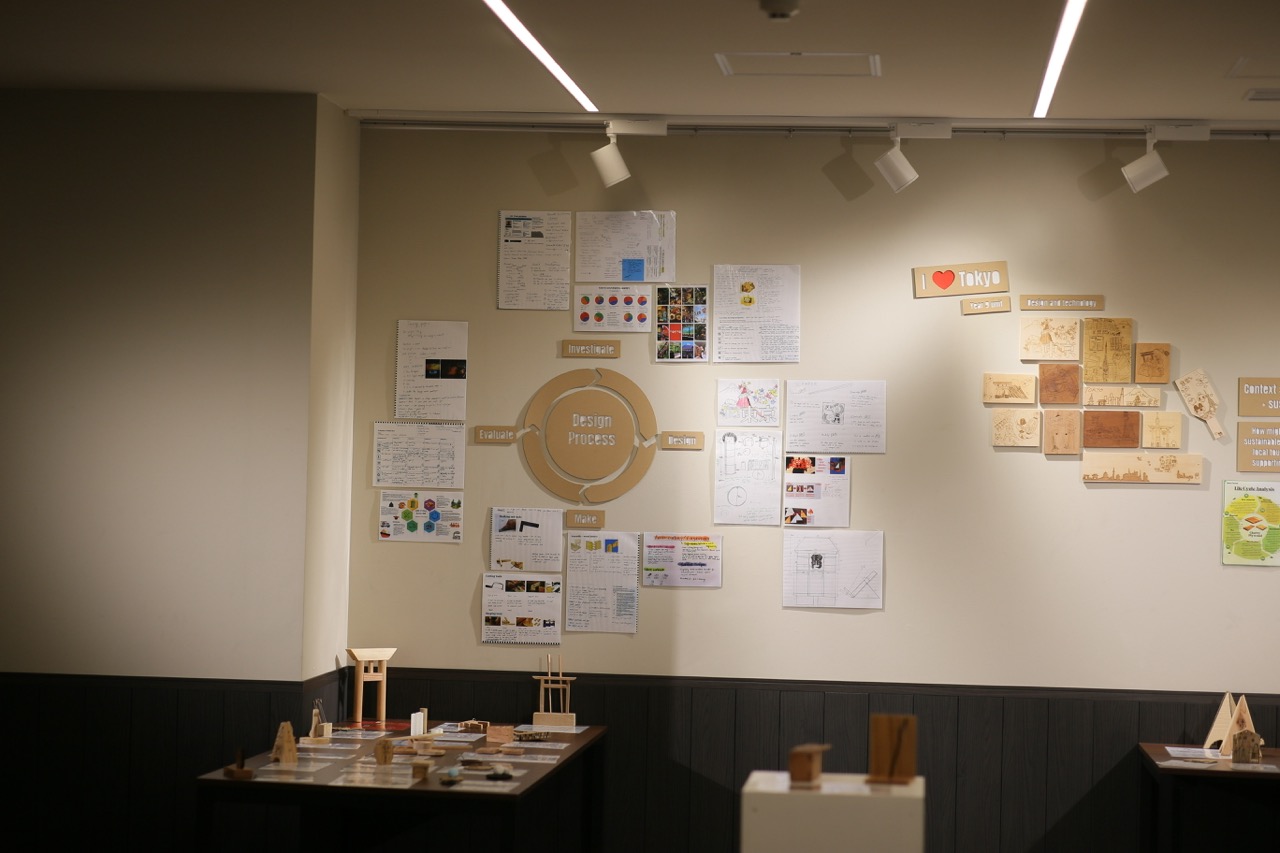
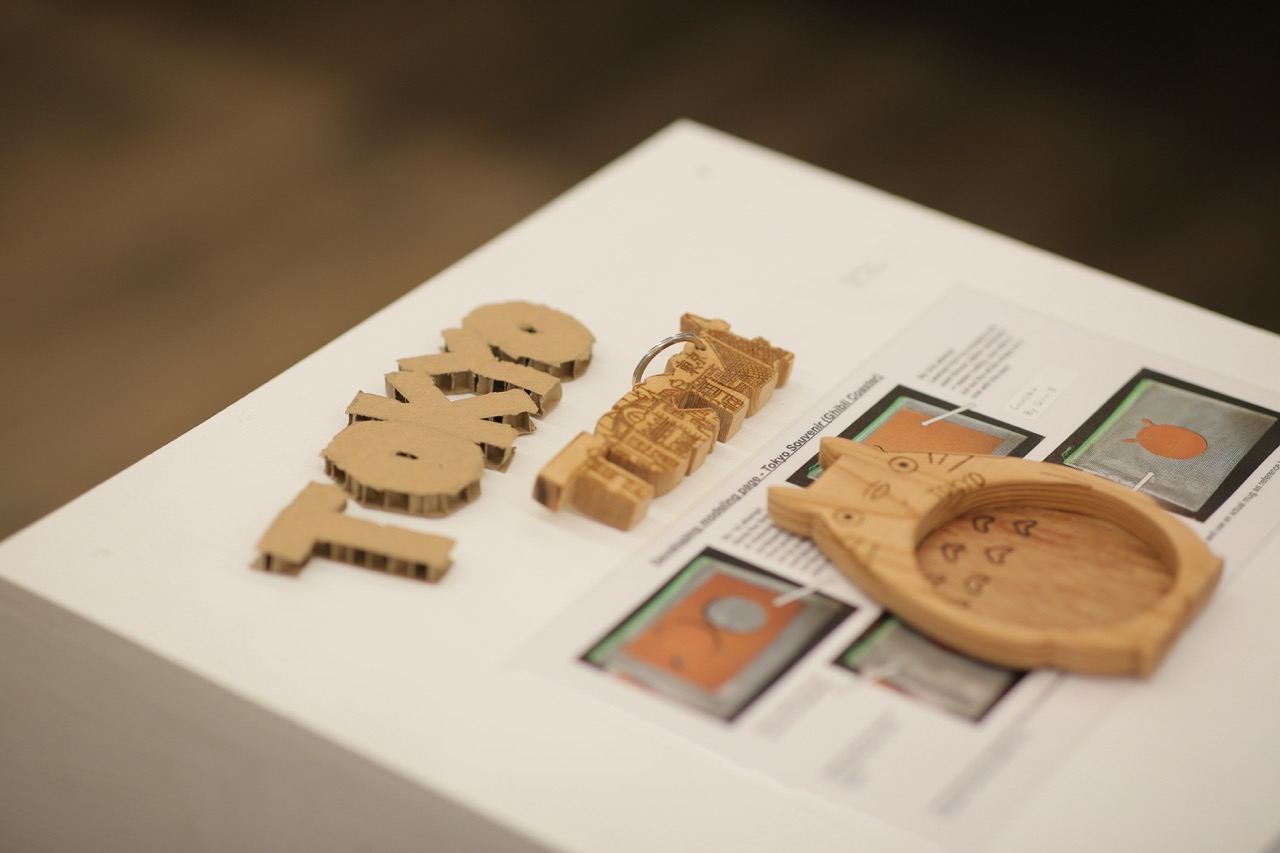
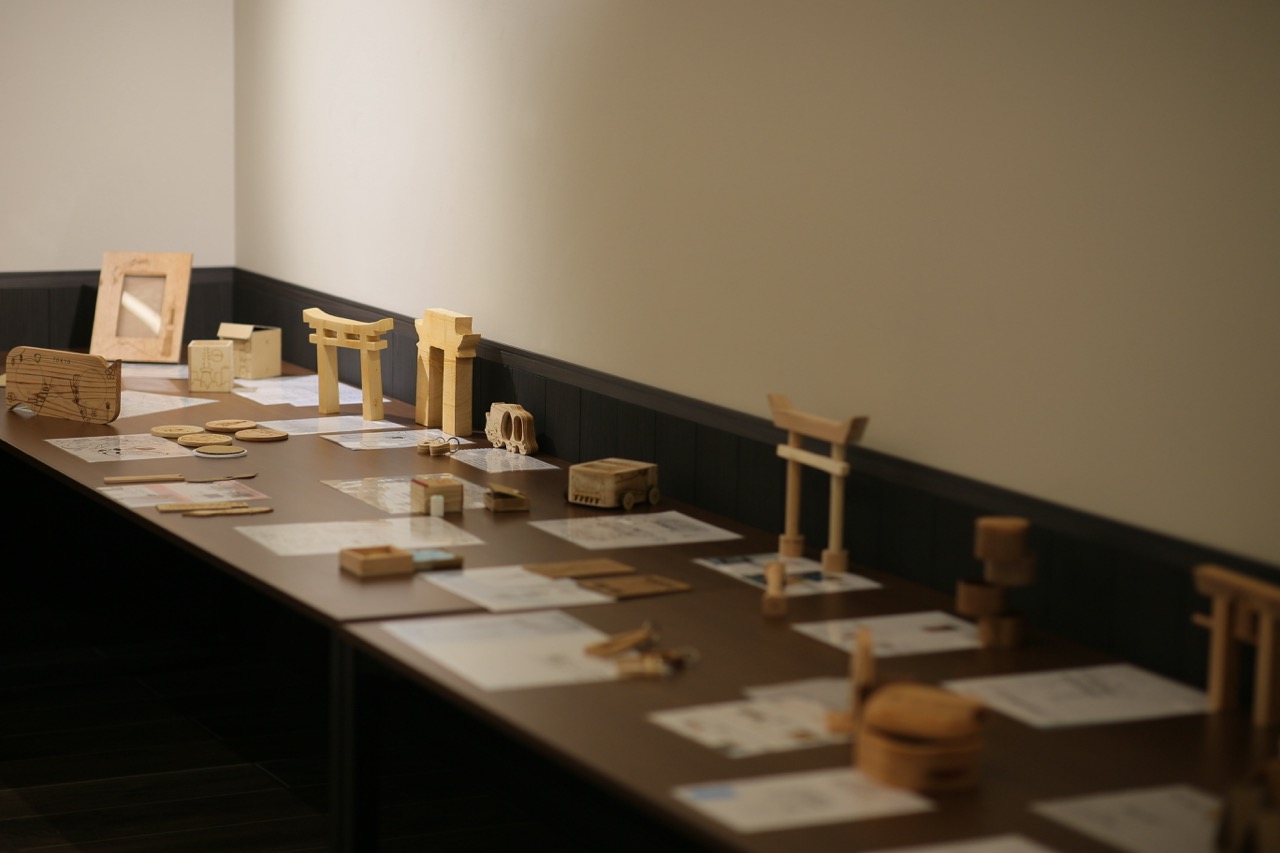
If you have walked past the RSJ reception area recently, you may have mistaken it for a Tokyo souvenir shop.
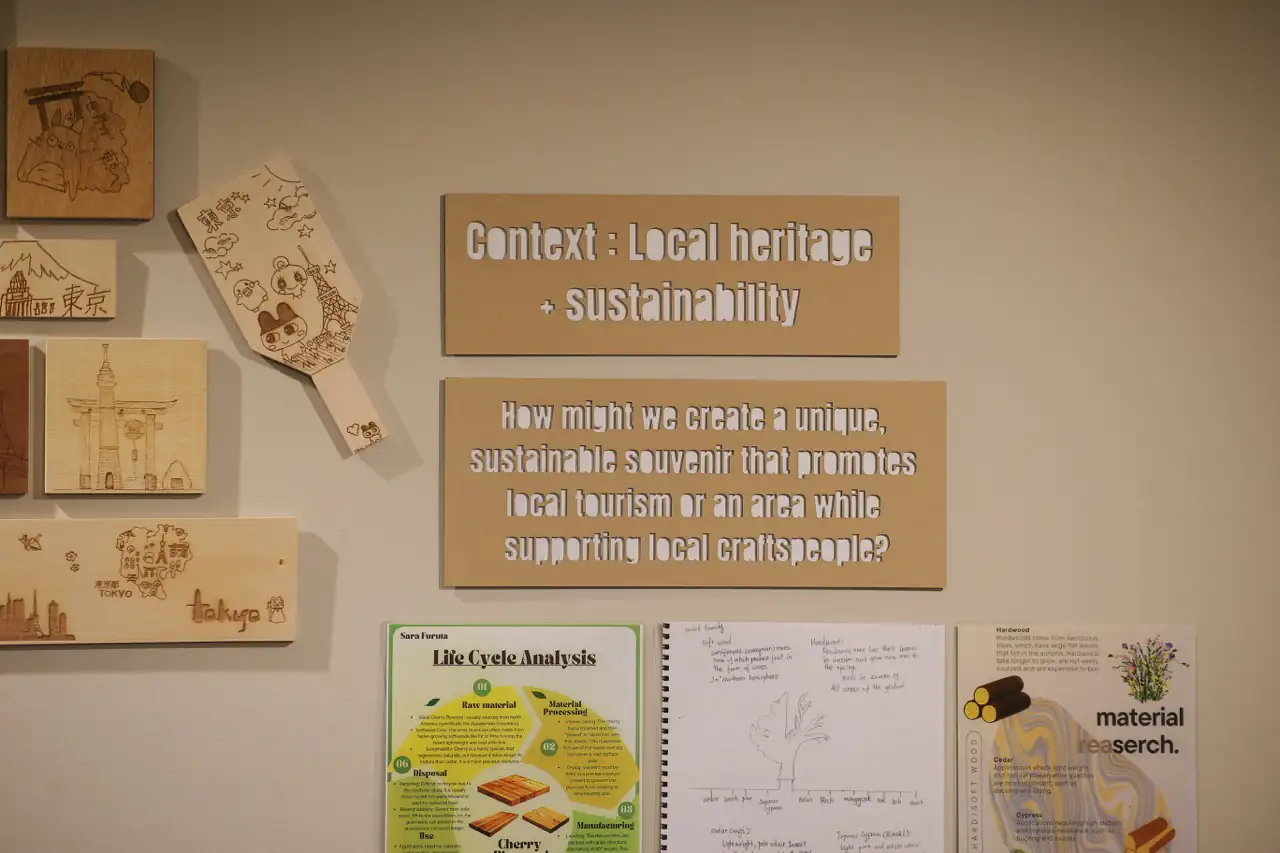
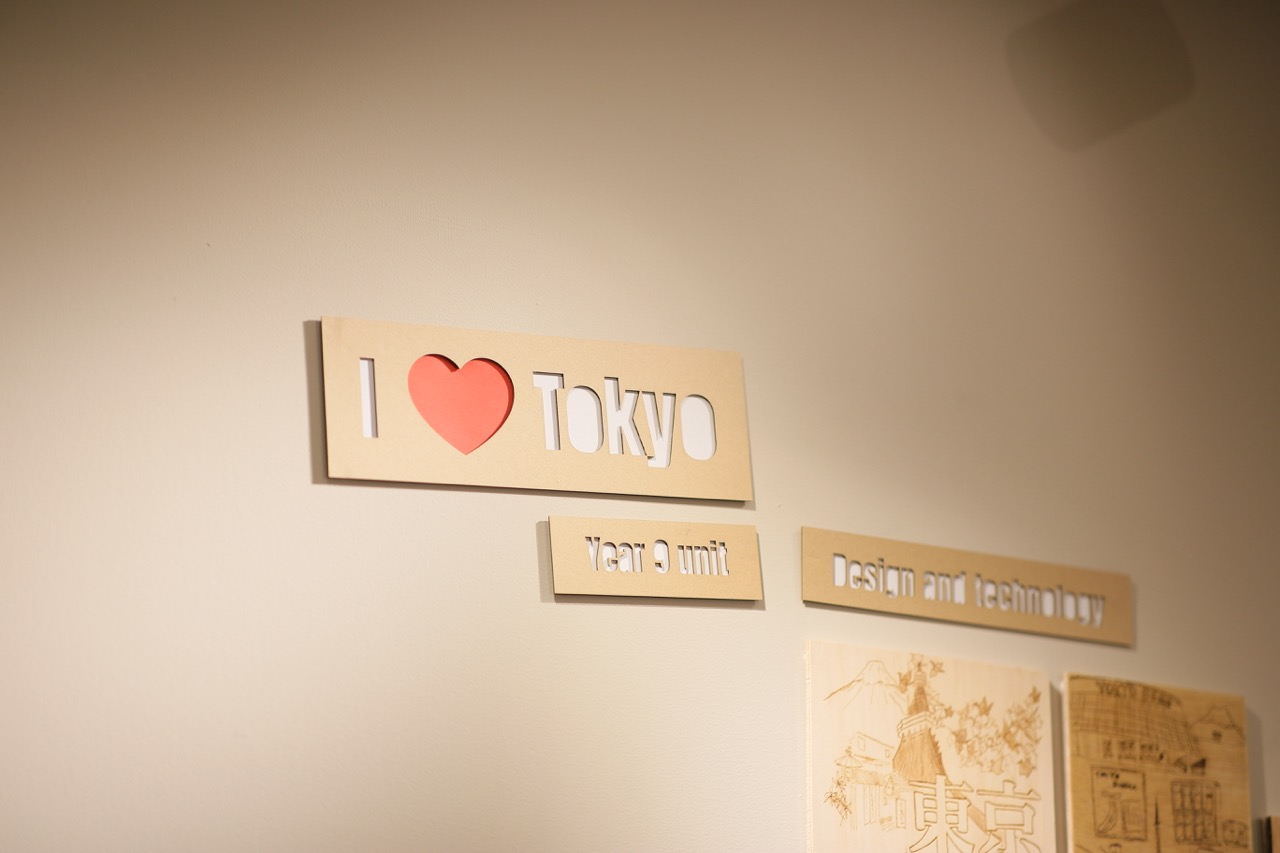
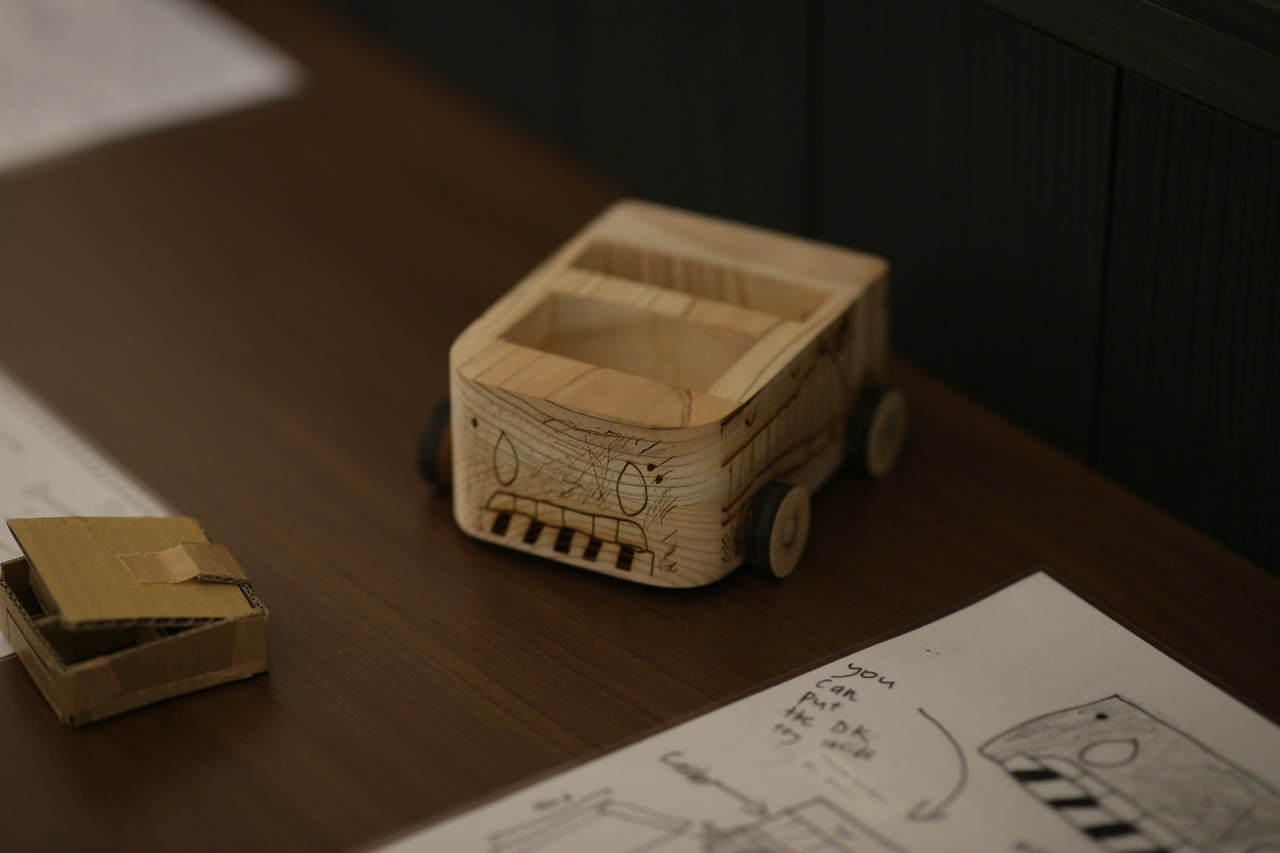
Our Year 9 Design & Technology pupils have just completed a major project that gave them their first real taste of a GCSE Non-Exam Assessment (NEA). Mirroring the same process undertaken by older pupils, they were challenged with a professional-style design brief: to promote local heritage and sustainability by designing and producing a souvenir for a Tokyo tourist attraction.
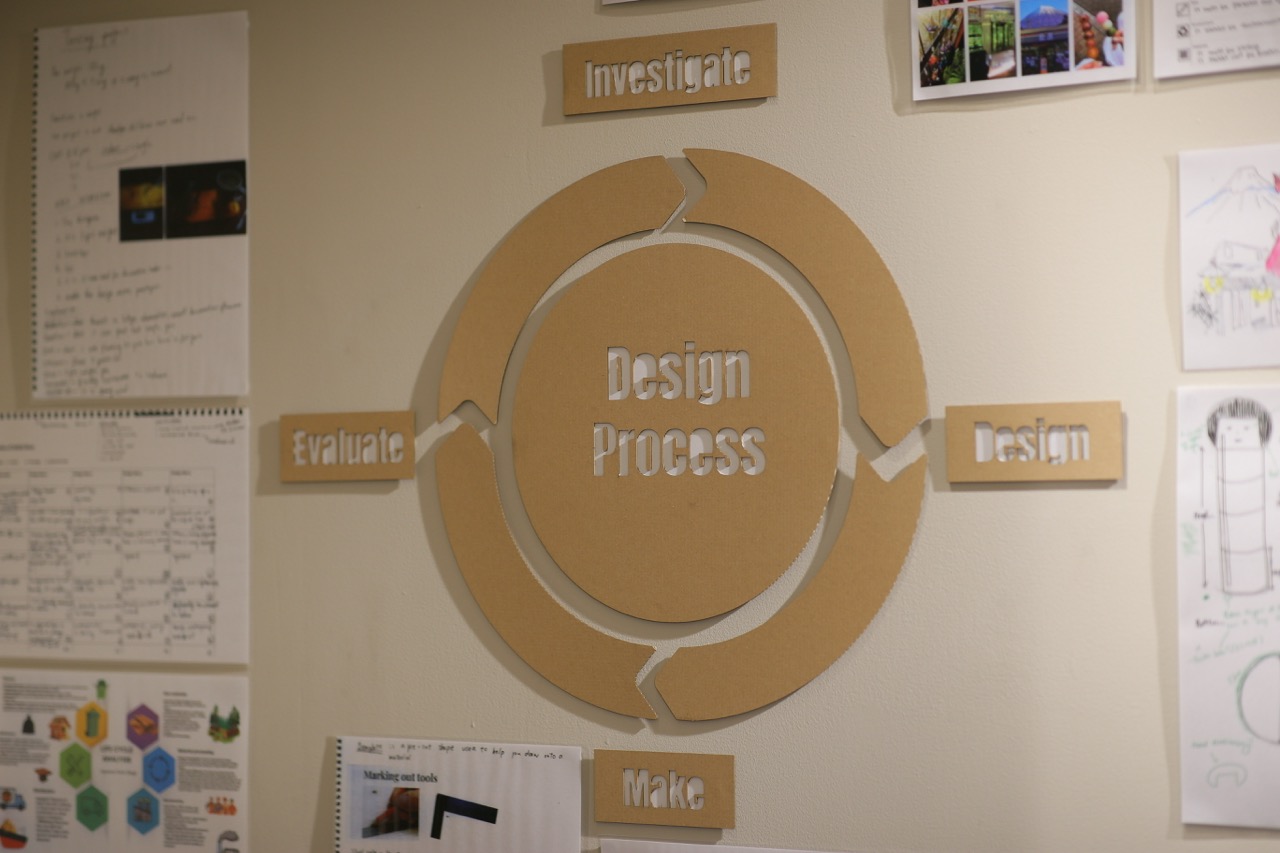
At the heart of the project was the opportunity to experience the full design cycle in detail, taking an idea from a blank page through to a polished final product. Here is a closer look at their journey.
You can browse the gallery at the bottom of the article.
Step 1- Investigating the Market
The project began with in-depth investigation. Before touching a single tool, students had to understand their user. Pupils explored what makes a successful souvenir by analysing target markets, developing user profiles, conducting surveys, and even interviewing a local souvenir shop owner to better understand consumer preferences. Alongside this, they researched Tokyo landmarks and sustainable Japanese materials to help shape their ideas. to Japan.
Step 2 – From Graphics to a 3D Product
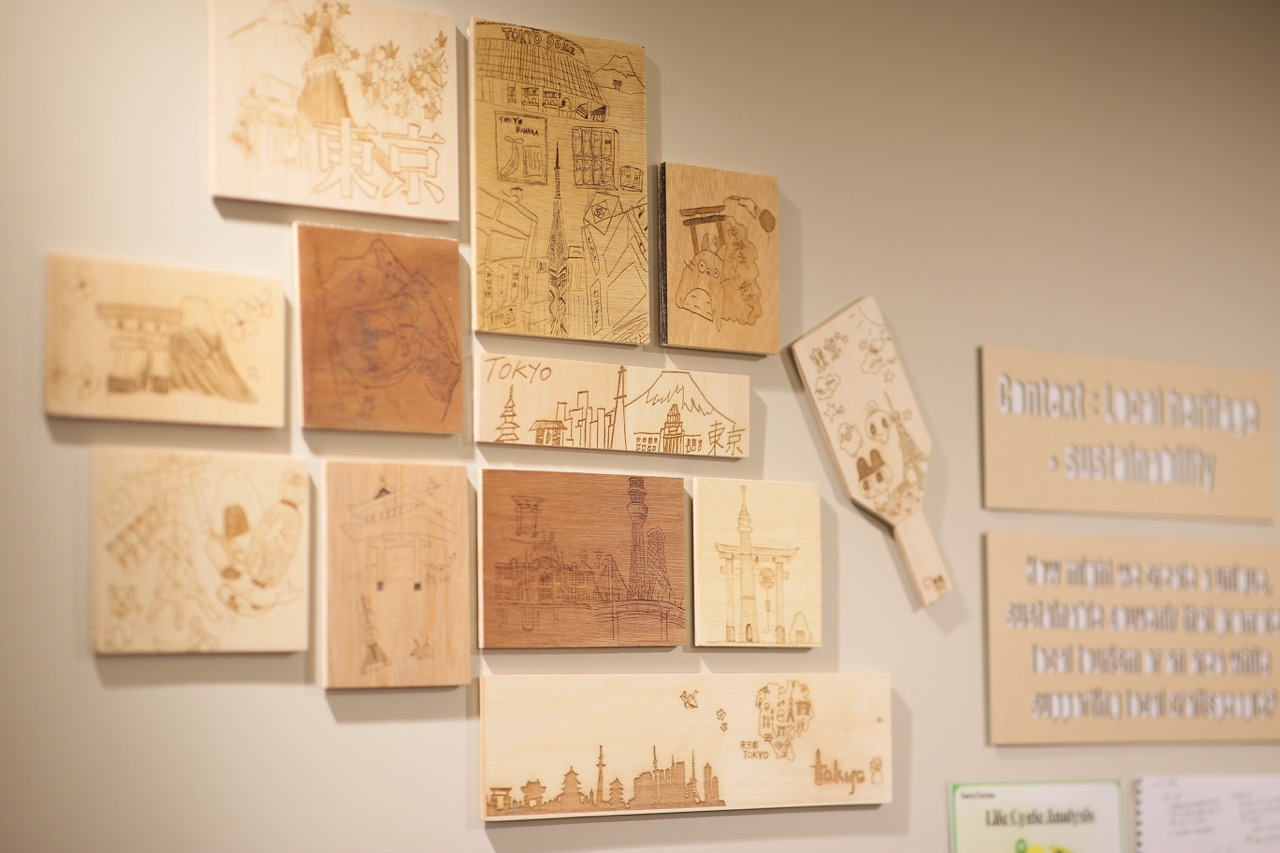
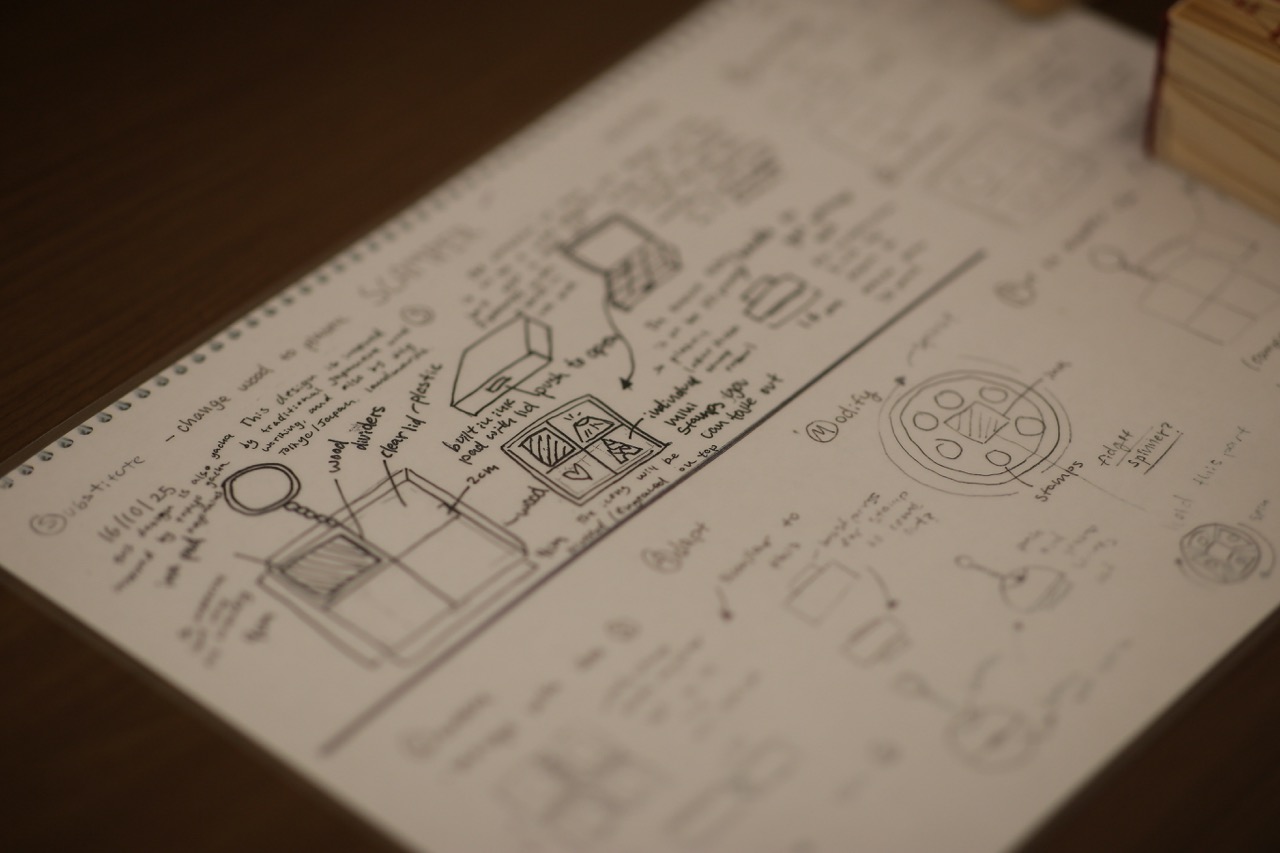
Once pupils had established their design criteria, they began developing visual concepts inspired by Tokyo’s identity and culture. Through a series of drawing and design exercises, they experimented with combining graphic elements to create bold and recognisable imagery.
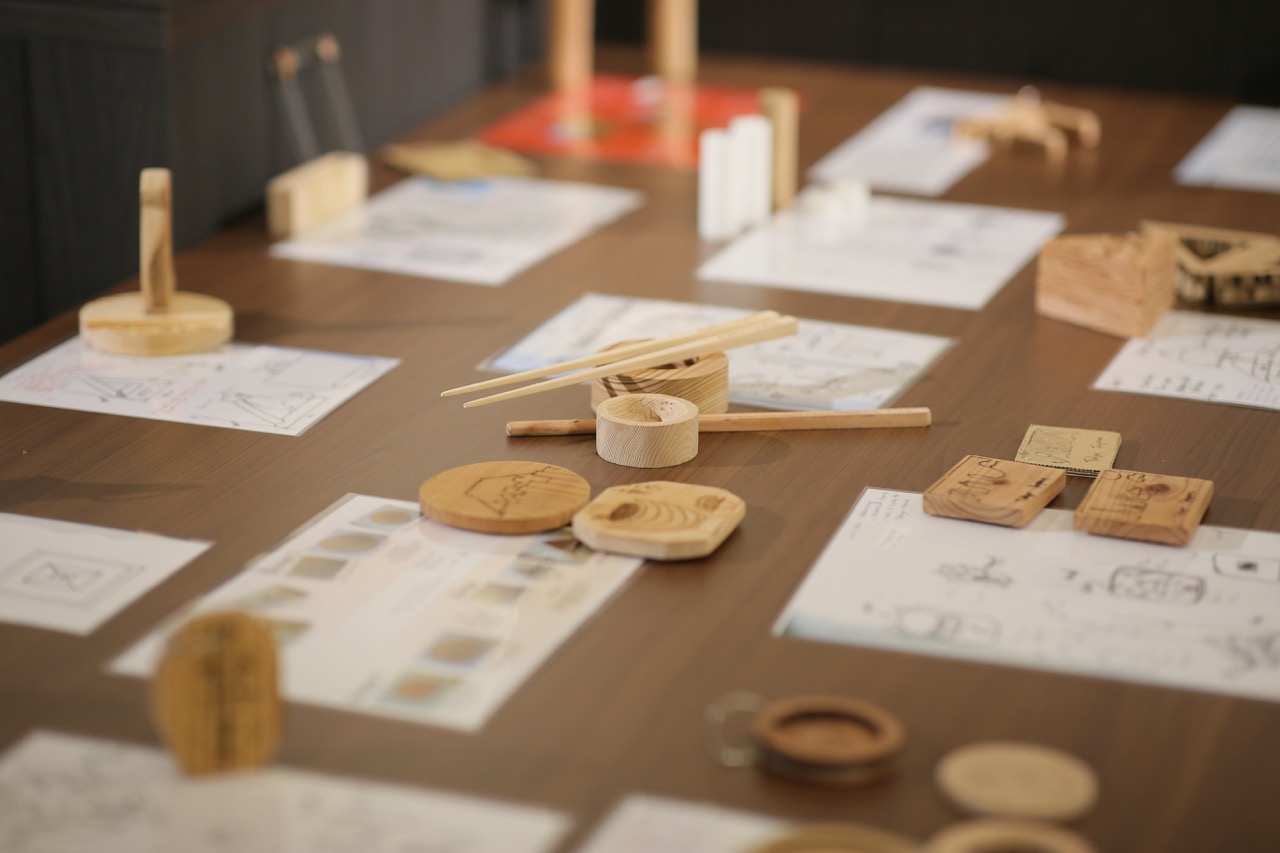
Visitors to our current exhibition can see many of these early concepts displayed as striking wood mosaics throughout the reception area.
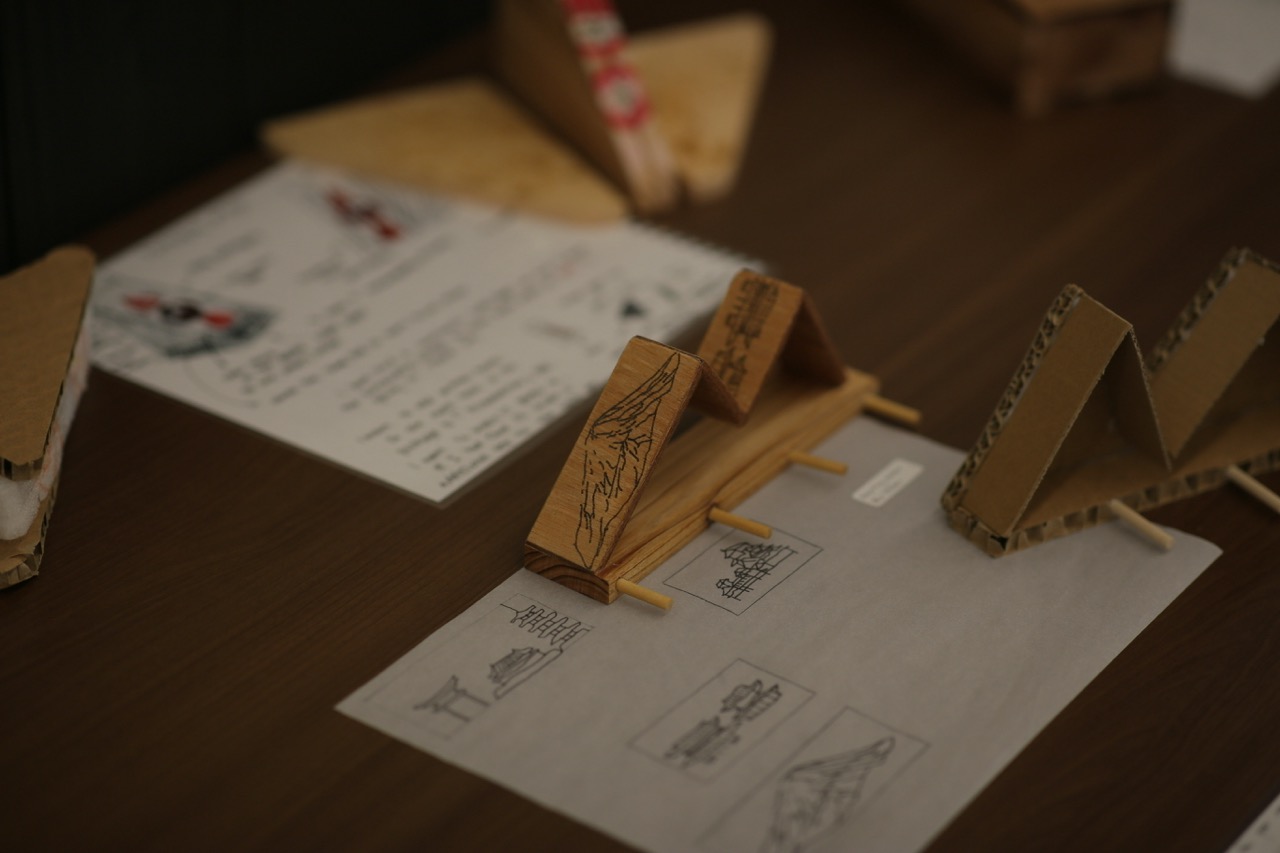
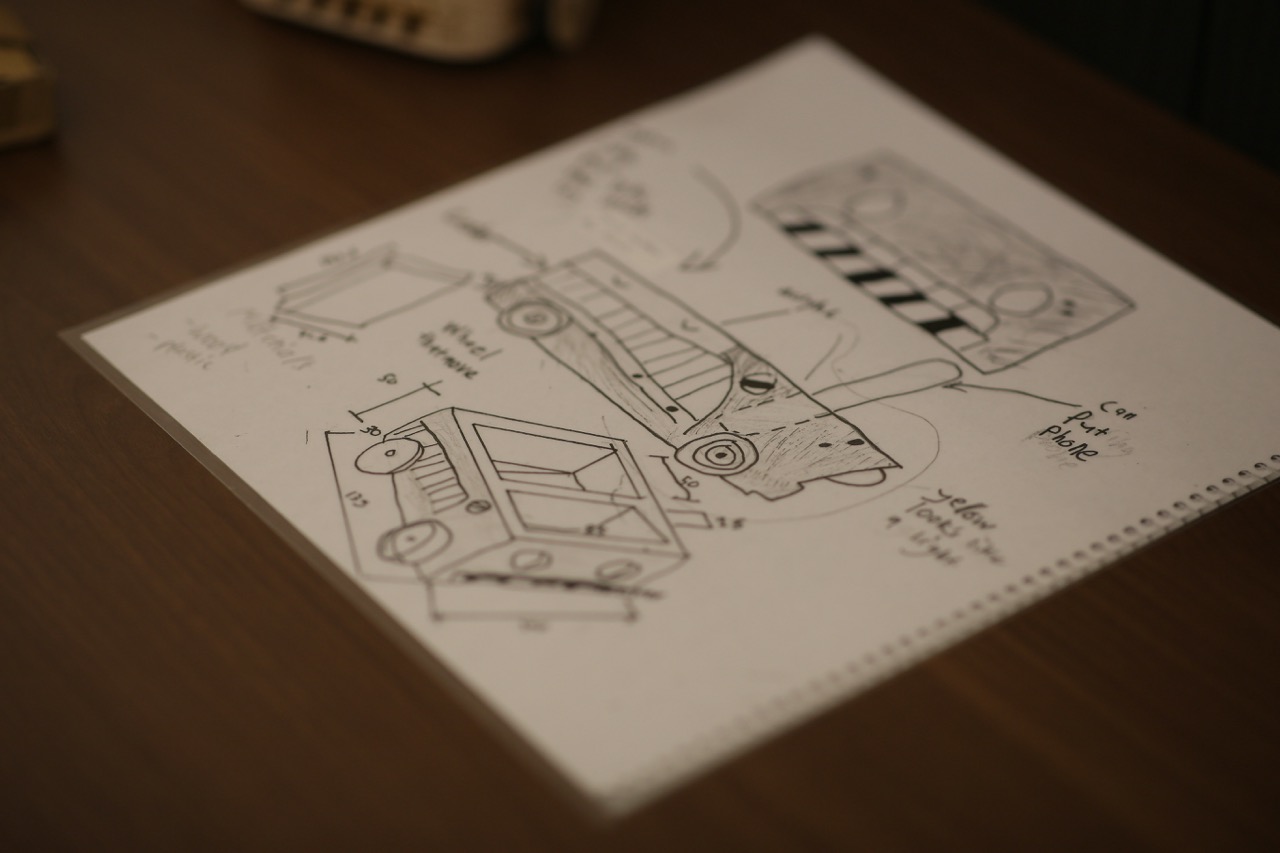
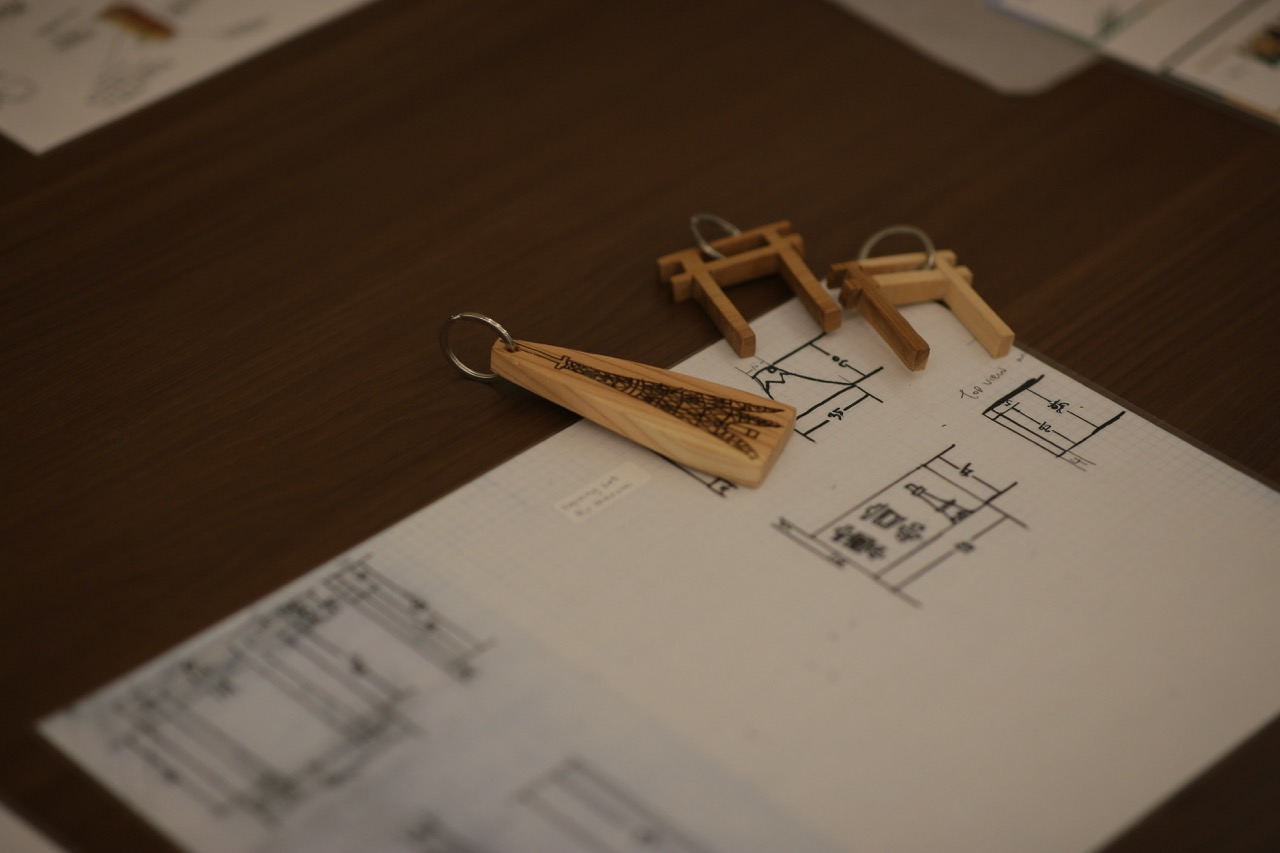
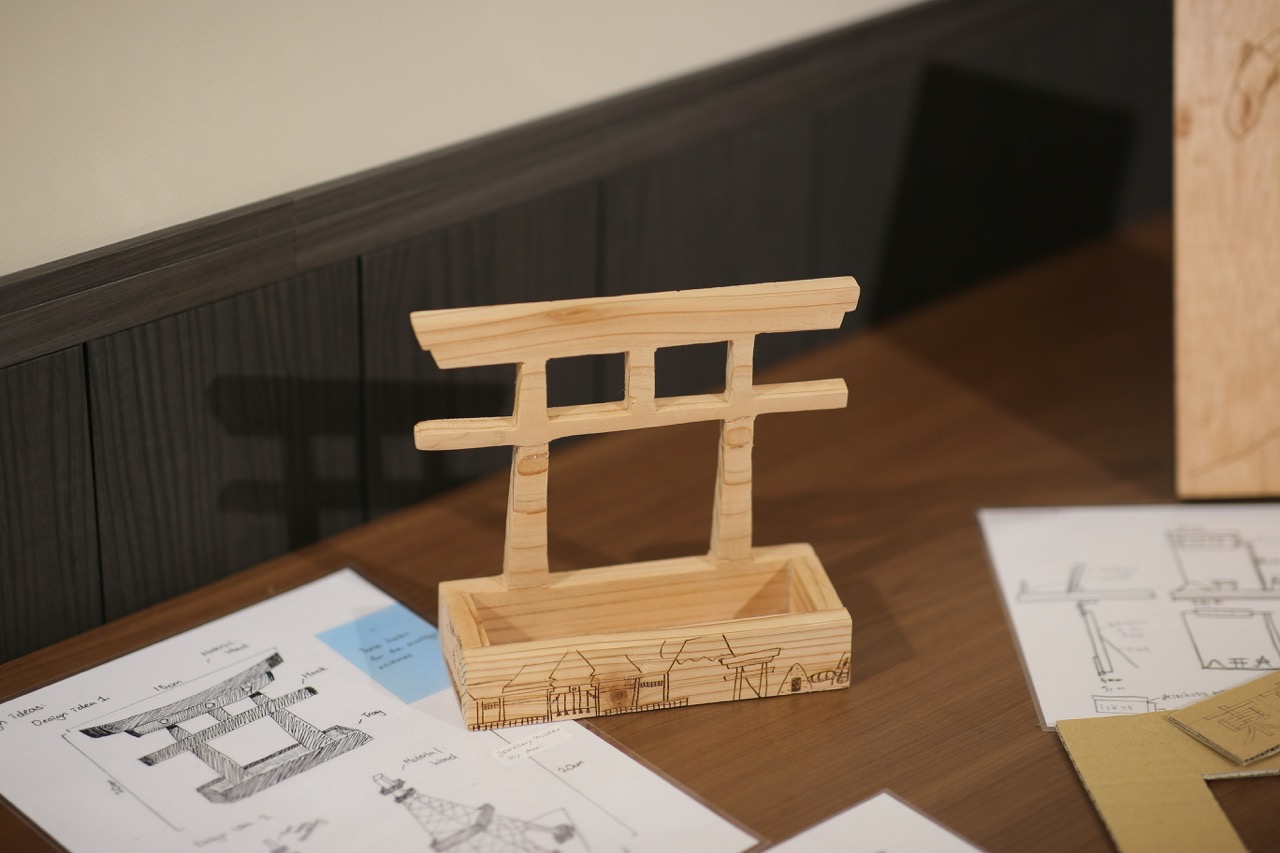
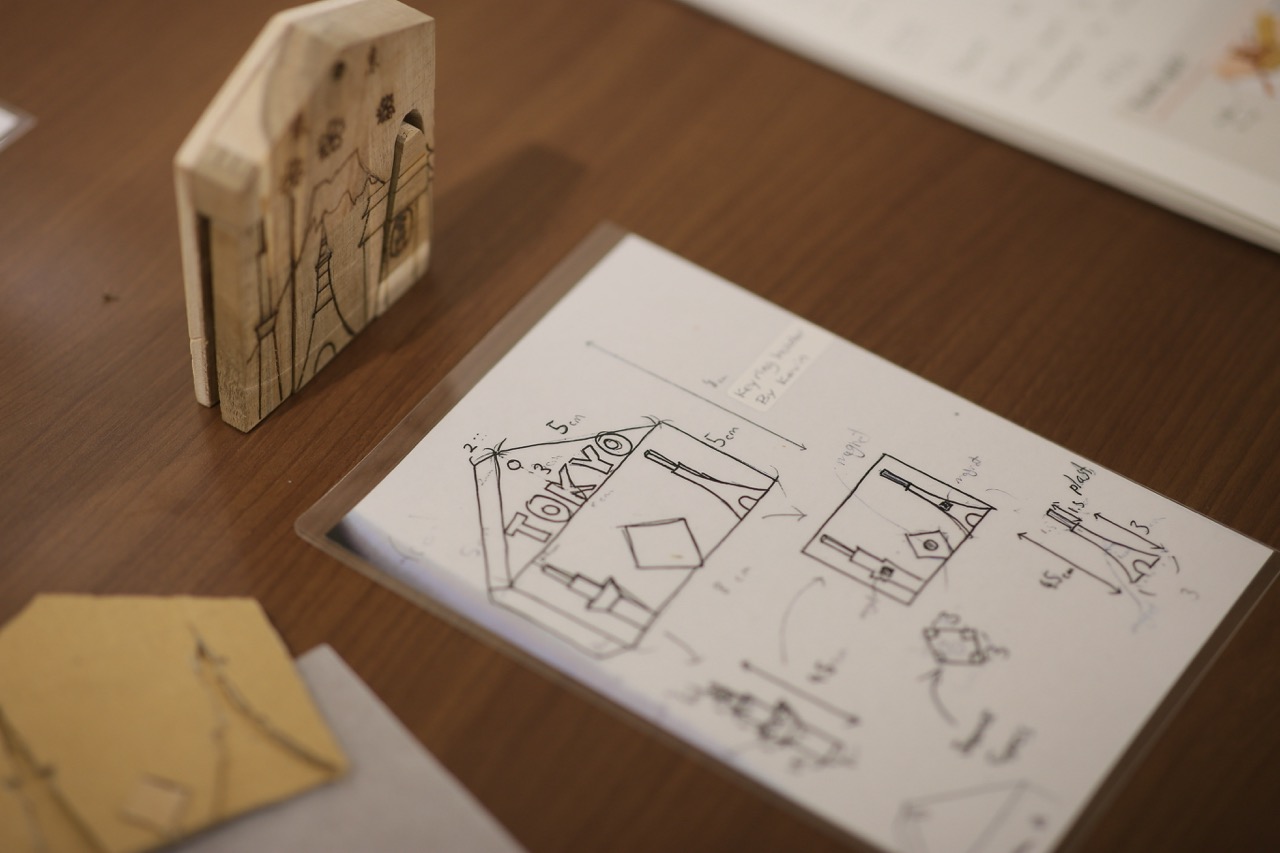
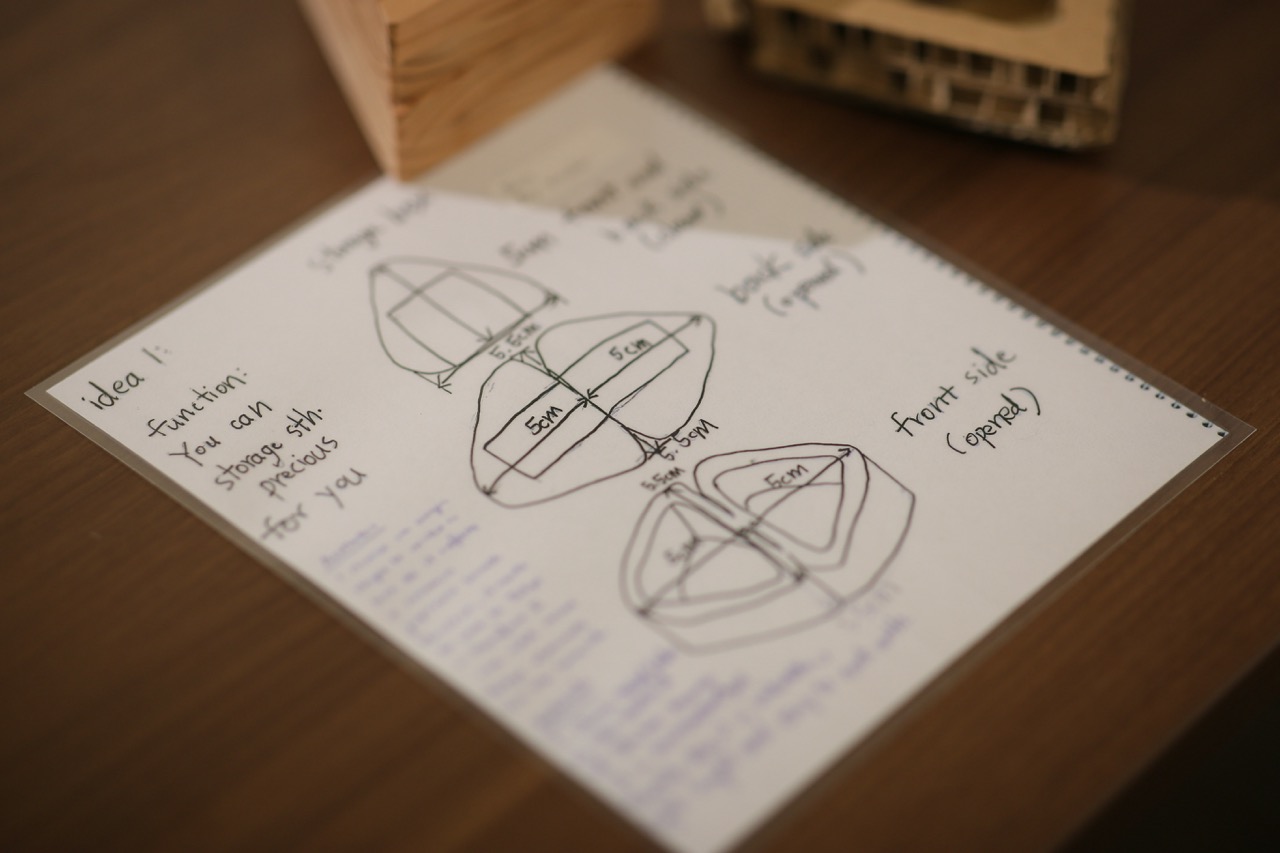
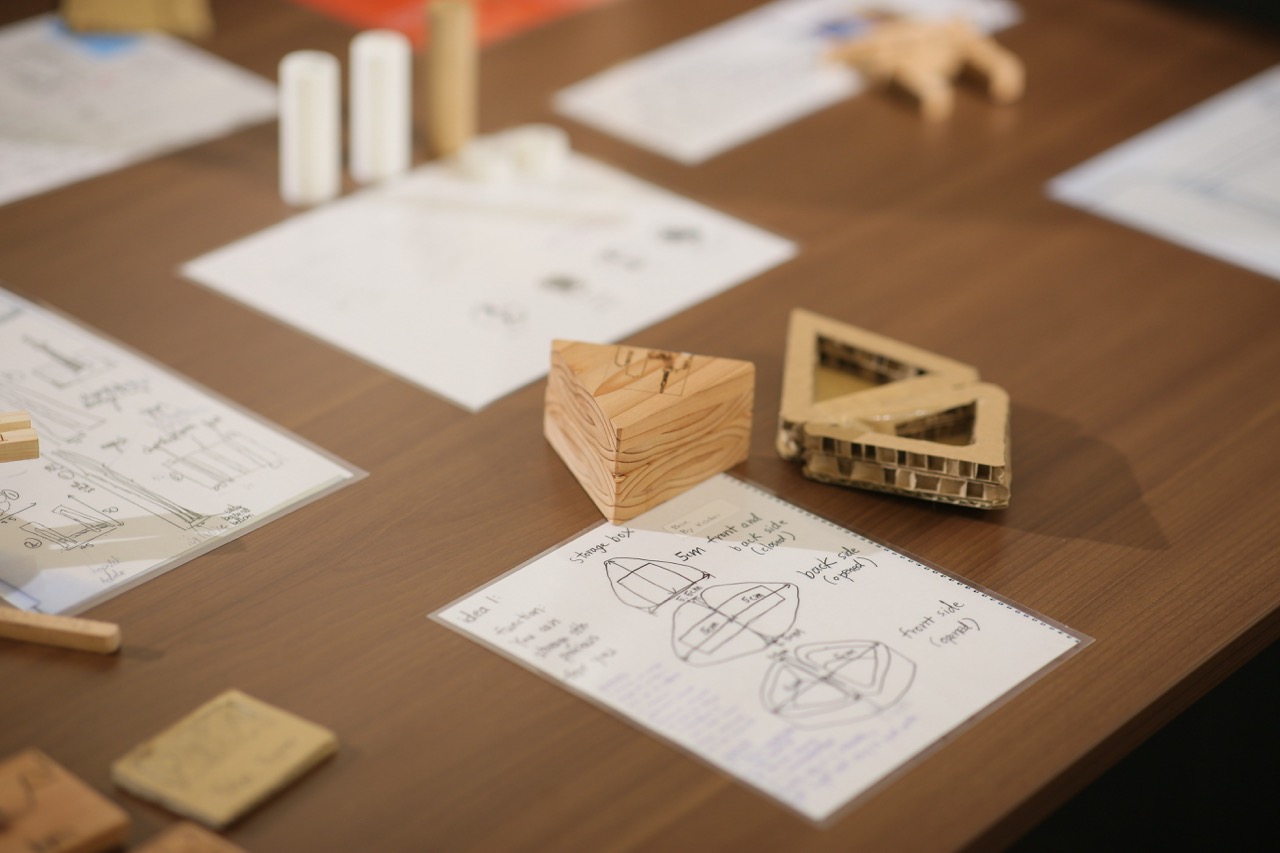
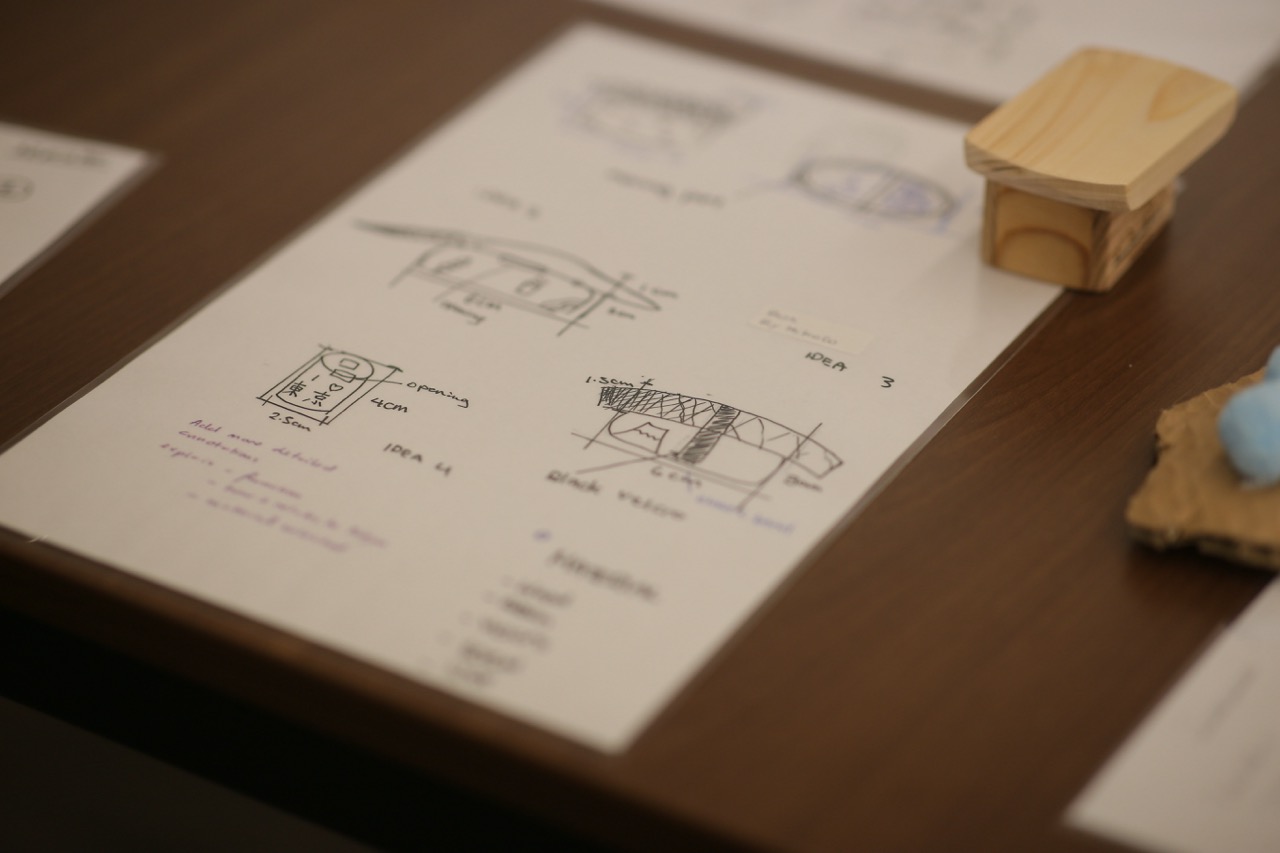
Designs were then rigorously refined for both functionality and aesthetics. Pupils produced models, evaluated prototypes, and created detailed final blueprints using industry-standard construction drawing techniques.
Step 3 – Mastering the Tools
The manufacturing phase required pupils to combine traditional craftsmanship with modern technology.
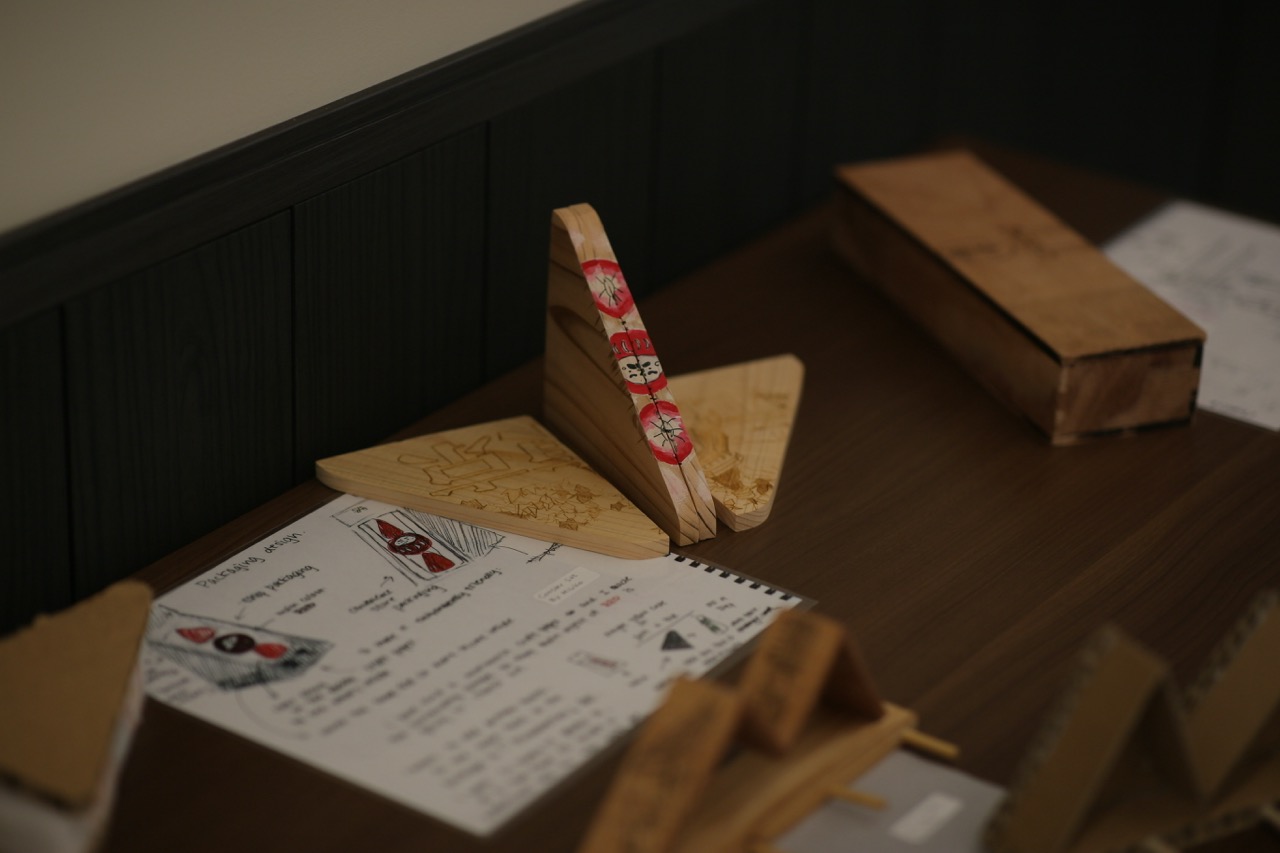
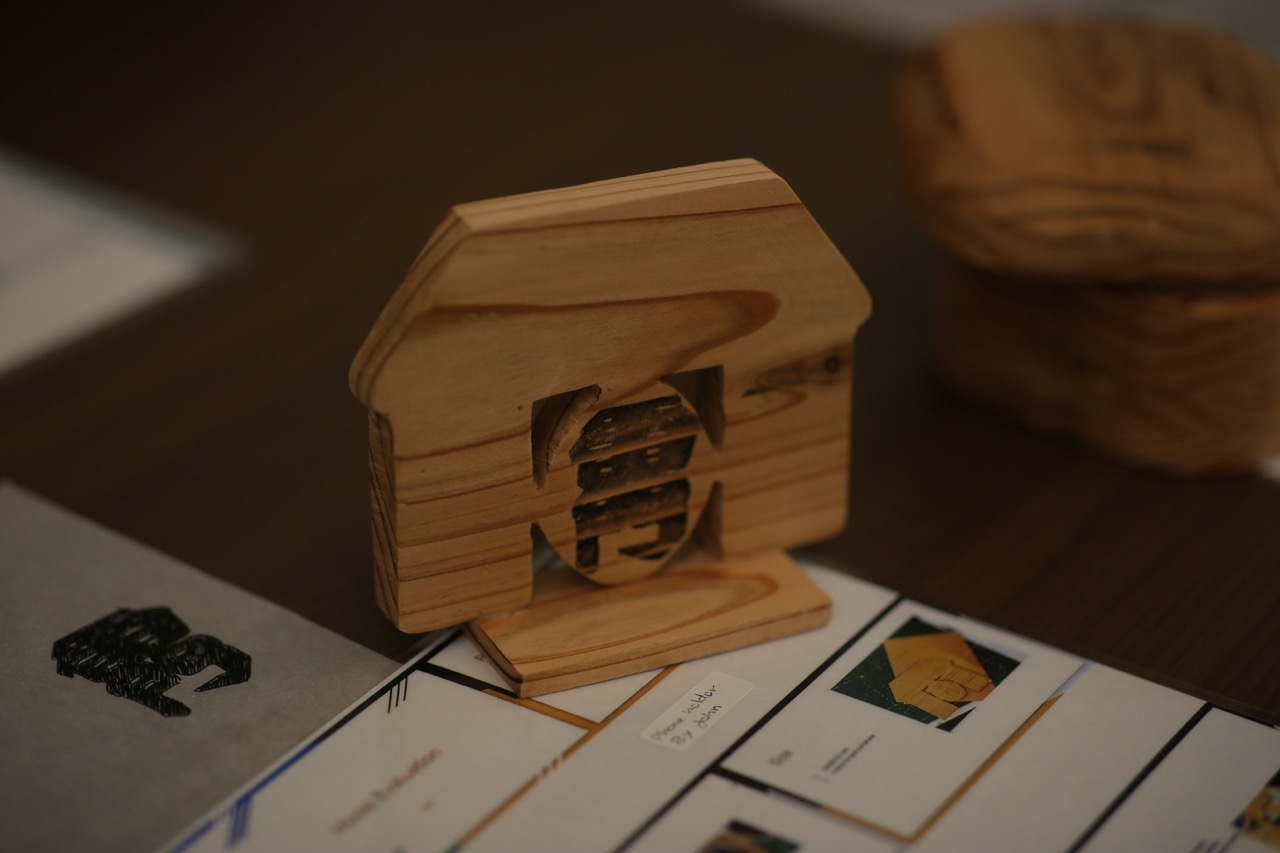
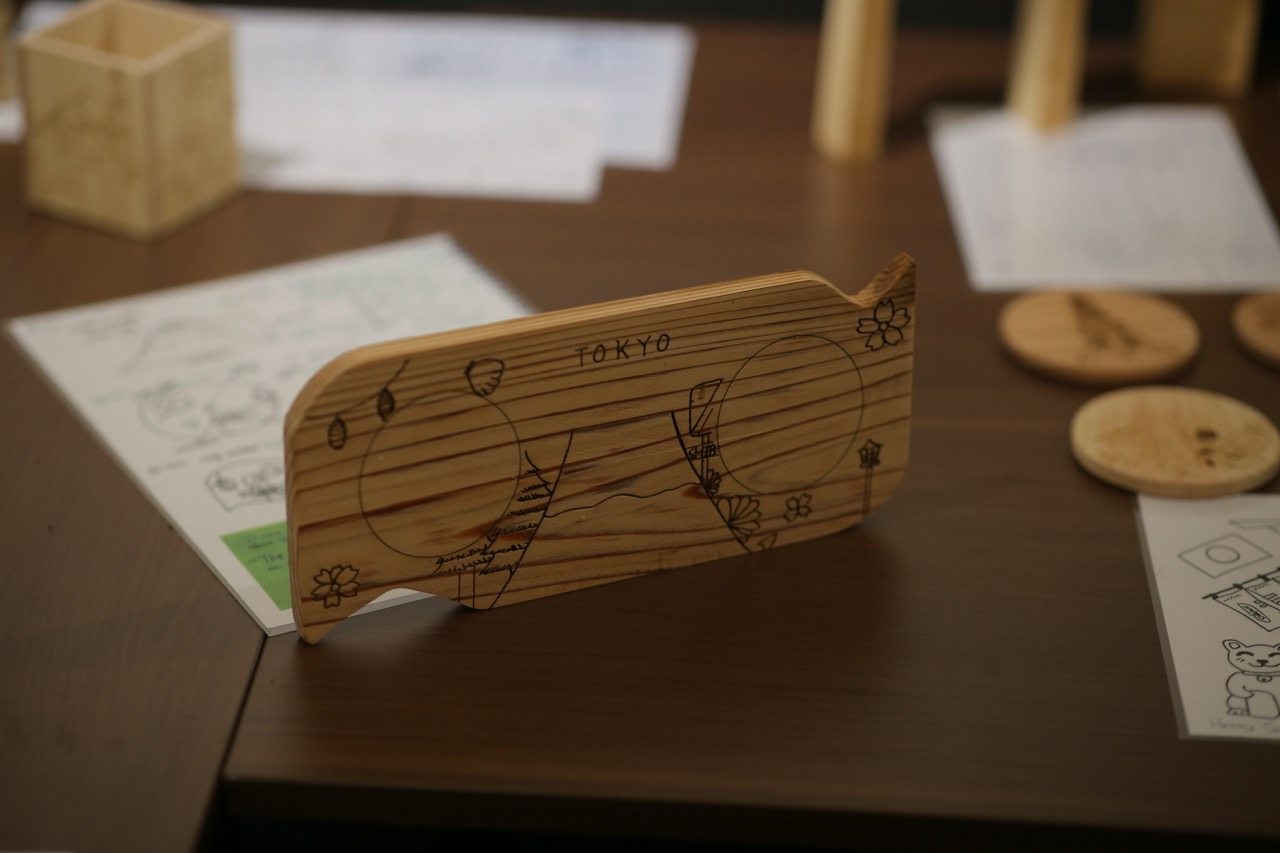
Using hand tools, pupils practised accurate wood marking, cutting, and joinery techniques. Alongside this, they used laser engraving technology to transfer their custom Tokyo-inspired graphics onto the finished products with precision and detail.
Sustainability remained central throughout the process. All materials were locally sourced Japanese woods, specifically Cedar (Sugi) and Japanese Cypress (Hinoki), and finished using natural surface treatments in keeping with the project brief.
Step 4: Testing and Evaluation
A designer’s work does not end once the product is complete.
To conclude the project, pupils carried out a series of product evaluations, testing their work against the original design criteria. They assessed factors such as budgeting, portability, durability, and storage capacity, learning the importance of reflection and continual refinement within the design process.
A Note From the Teachers
“This project closely replicates the kind of scenario professional designers encounter every day. I am incredibly proud of what the Year 9 pupils have achieved. They have embraced the design process fully, learning that continual refinement and evaluation lead to stronger outcomes. The final products are highly creative, beautifully crafted, and professional enough to imagine being sold in a real souvenir shop.”
Thank you to everyone who has already visited the exhibition to support our young designers.
Written by Ana Nobre
Head of Design and Technology