What The Good Schools Guide International says

The Good Schools Guide is an impartial ‘education bible’ for parents seeking guidance on finding the right school for their child. Only schools handpicked by the Good Schools Guide’s editors can be featured in the publication, which means no school can pay for a GSG endorsement and recommendations are based on merit alone.
This is why the Good Schools Guide has rightfully gained a reputation as one of the most trustworthy sources of information about British and International schools.
It is also why Rugby School Japan is so proud to have earned a place in the Good Schools Guide, and to have received such a positive review which you can read unedited below:
Principal

Since August 2026, Dr Sarah Wade. Dr Wade holds a BA from Brunel University London, a
research doctorate in education from the University of Bath and a master’s degree in
educational leadership from Lehigh University in Pennsylvania, USA.
Dr Wade began her teaching career in the UK before heading overseas. She was most
recently executive principal of Amity International School in Abu Dhabi for three years and
previously spent four years as principal of its sister school in Amsterdam, where she launched
the senior school and achieved IB accreditation. She also spent eight years as grade
coordinator and then assistant principal at Qatar Foundation, Doha so brings plenty of
international leadership experience with her.
Entrance
Assessments and interview for applicants. The school wants children who are curious and
‘looking to push the boundaries in their learning’ and families who understand the value of a
holistic education (not those expecting dismissal from school at three every afternoon).
Exit
Not surprisingly, in 2026 the second cohort of graduates headed mostly to the UK (University
of Oxford, University of Cambridge, University of Edinburgh, University of York, University
of Birmingham, University of Exeter, Imperial College London, University of the Arts
London, UCL) and to Sophia University (Japan) and Les Roches (Switzerland).
Latest results
In 2026, school’s second graduating cohort’s A level results were 28 per cent A* and 68 per
cent A*/A.
Also in 2026, GCSE results were 30 per cent A* (9/8) and 58 per cent A*-A (9-7).
Teaching and learning
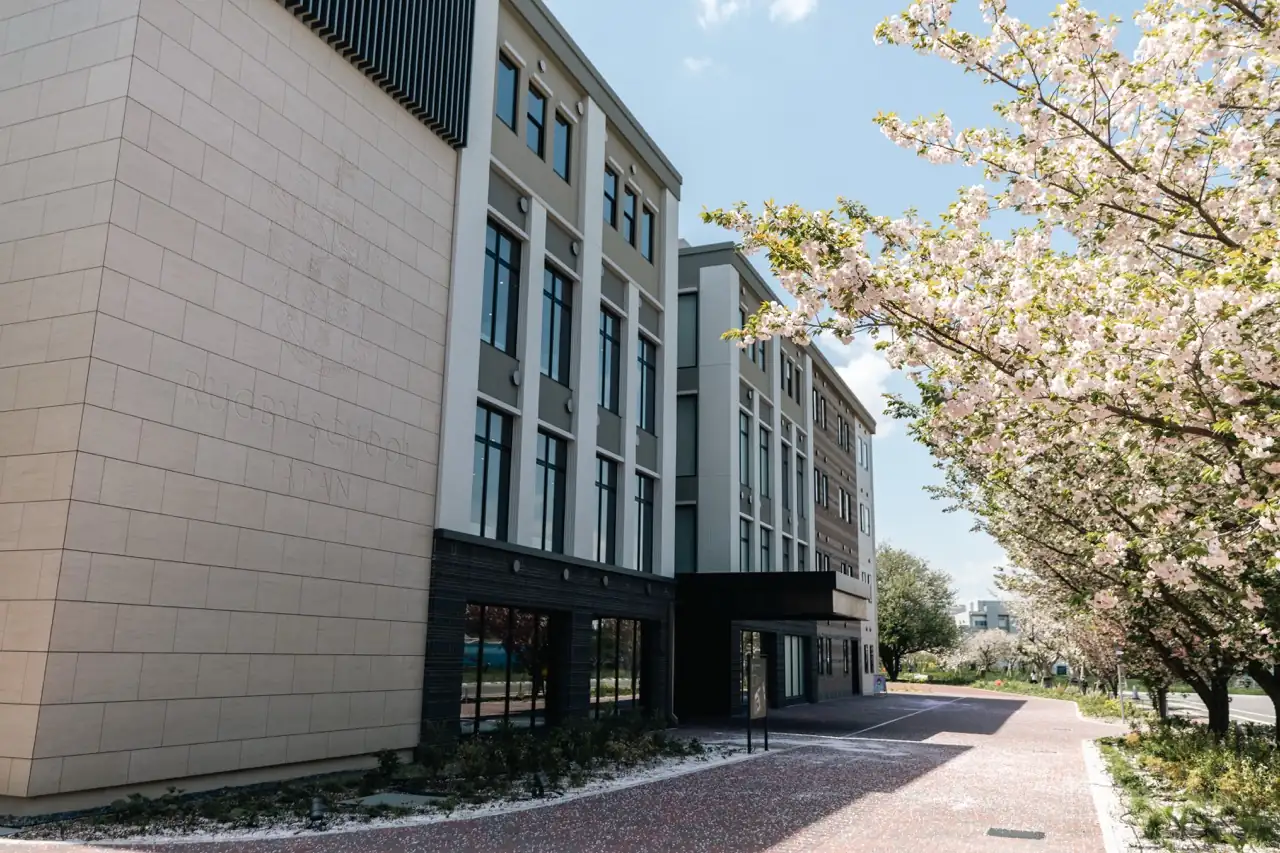
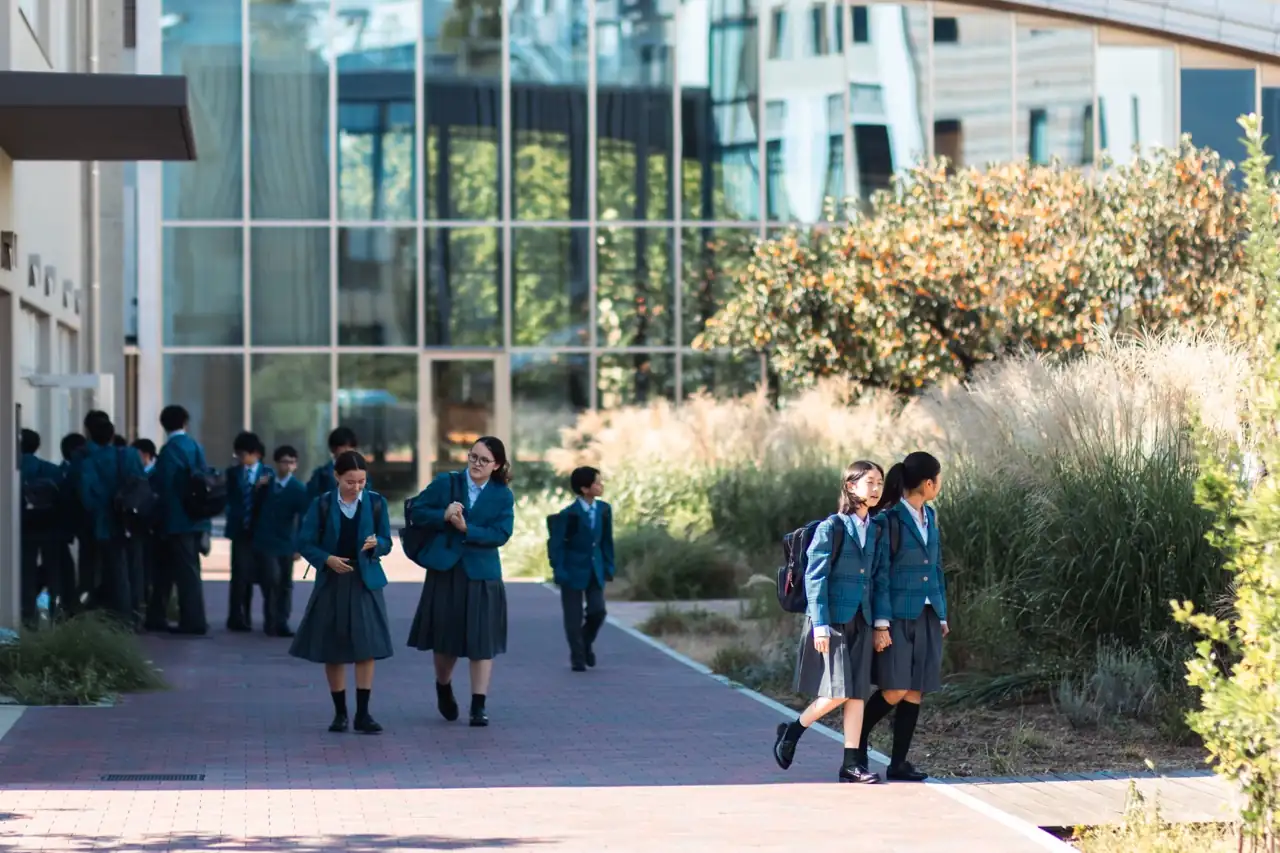
Situated in Kashiwanoha, accessible by a 30-minute ride on the mainline Tsukuba Express
train from Tokyo. To quote the school’s developer, the buildings ‘have a modern edge yet
they also echo the aesthetics of a British boarding school’. Classrooms are clean, light and
bright with wide corridors and flexible breakout spaces. Science laboratories, debate
chamber, music, design and other specialist classrooms are well-equipped. Buildings are
connected by pathways amidst neatly landscaped surroundings, mature trees (300 existing
trees preserved when the buildings were built) throughout the campus. In terms of facilities,
the school wants for nothing.
The school admitted 134 pupils when it first opened its doors in 2023, increasing to 225 at
the start of the following year. Numbers in fifth and sixth forms are sparser at the moment but
already four forms filled in years 7 and 8.
Where pupils are gathered, there is high energy and intensity but with current enrolment at a
third of capacity, the buildings still have that new, unlived-in feeling – trophy display
cabinets waiting to be filled, surfaces not yet dented or scratched, while the neat, clean sixth
form common room sets new standards. Only exception perhaps is the art room where the
floor has paint splatters and many experimental works-in-progress taking up the space at the
back of the classroom – definitely artists in the house!

Parents could not speak more highly of the quality of teachers. ‘Wonderful’, ‘amazing’, ‘very
caring’ teachers whom parents can tell ‘know the children and know them well’. Parents say
their children ‘speak favourably about their teachers’, with one adding, ‘We have never
known them to be so complimentary about anything!’
Teacher feedback on work is detailed and reports to parents clearly evidence individual
engagement with pupils. Staff deal with small issues quickly (within 10 minutes of a parent
e-mailing in one case) and look after the whole child (not just the subject that they teach).
‘How can they find so many good teachers?’ wondered a parent quite genuinely.
Vast majority of teaching staff come from the UK; one or two from Rugby School.
Incredibly, there were over 2,000 applicants to fill roughly 40 staff places in the first couple
of years of operation. Whether it is the draw of Japan and/or the Rugby School name, there is
no doubt the school has the pick of the highest calibre teachers that the education sector has
to offer. Distilling the applications to find ‘the great ones who are going to be fantastic’,
identifying the ones who have ‘a love for the subject’ and ‘connection with the children’ as
well as working through whether ‘a big move to Japan’ is personally right for the individual
is a difficult and long process for the school, Mr Darby tells us. Our guess is any head would
love to have these recruitment challenges.

Like any other school in this day and age, it has to navigate the difficult topic of technology
and teens. Their decision is no access to mobile phones during the school day, fairly
restricted access after the school day for boarders; rules more relaxed for sixth formers.
Determined teen gamers have been known to find their way around restrictions (say by
‘working’ on their iPads or laptops) but if your child has trophy ambitions in the Olympic
Esports Games, this school is perhaps not the best choice.
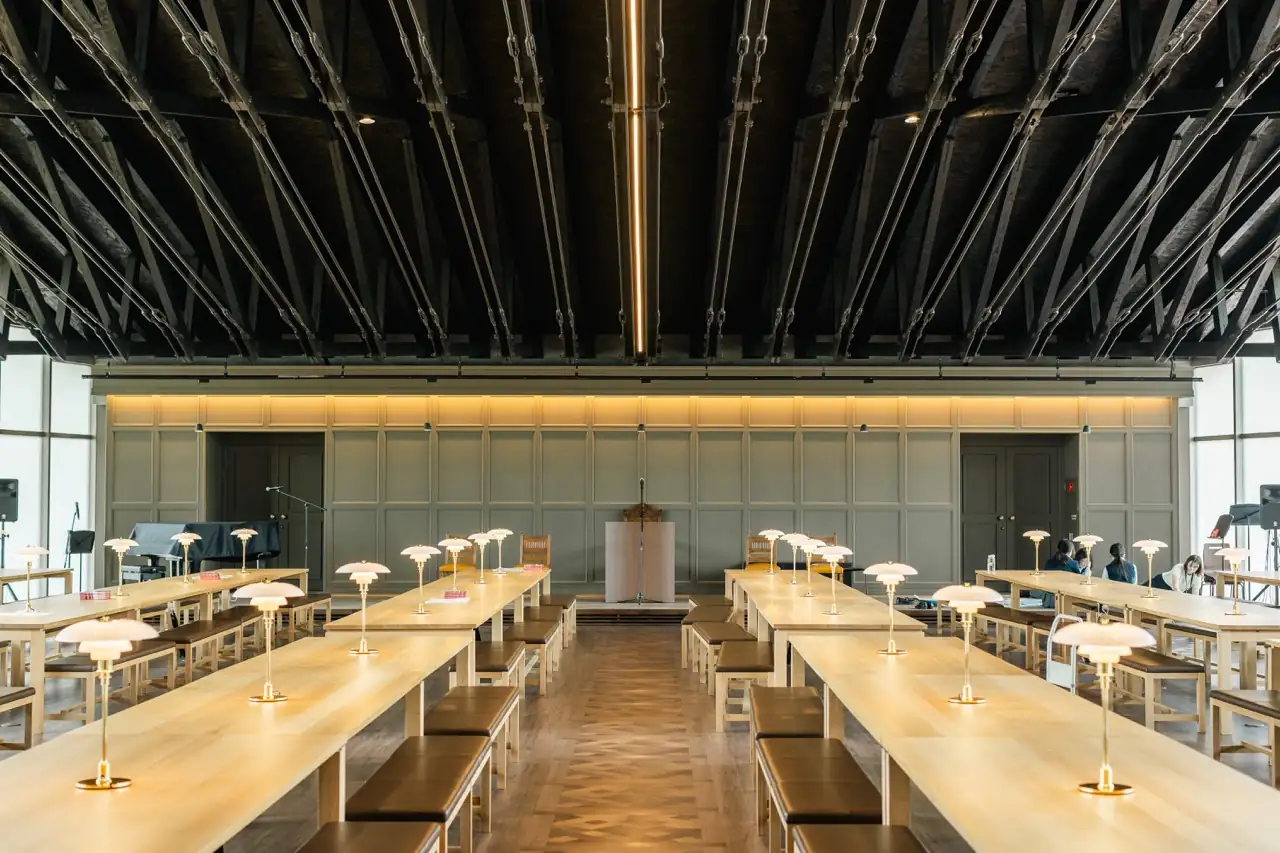
The whole of the campus is beautifully designed but the pièce de résistance must be the
dining hall. ‘Like in Harry Potter…’ whisper many visitors when they first behold the
impressive space. Inspired by the great dining halls of traditional colleges, it could have come
off as slightly clichéd but somehow this re-interpretation with lots of natural light and all mod
cons works well.
Most children say ‘the food is yummy’ and having tasted it ourselves, we can confirm. Two
options of mains at each meal with access to the salad and soup bar as well as the Japanese
staple – fluffy freshly cooked white rice. Some complaints that at times their preferred choice
of main dish runs out or the breakfast offering is ‘boring’. Some gripes about portion sizes
(particularly of favourite carb-heavy staples like pizza, pasta, fries, bread) being too dainty.
School is keenly aware of the importance of busy teenagers needing to recharge nutritionally
and shares feedback with caterers to make adjustments.
Learning support and SEN
The school has a personalised learning department with two branches – SEN and EAL. Pupils
identified as needing special assistance receive personalised learning lessons, student support
plans (communicated to all teachers) and additional support from external therapists as
necessary.
Language support
EAL here is ‘not a little department on its own’, instead there is a ‘whole school approach’.
Through staff training sessions and the in-house bi-weekly teaching and learning journal, all
teachers are constantly reminded of practices that make their lessons more approachable and
manageable for EAL pupils, which in turn benefit the classes as a whole.
Working with subject teachers, personalised learning teachers help pupils pre-learn the high-
level vocabulary needed for each unit of work before the actual class is taught. In a history
lesson on the Battle of Hastings for example, we saw a list containing Japanese translations of
phrases like ‘papal banner’ and ‘feigned retreat’. Parents with children in the programme say
the support has been tremendously helpful.
The arts and extracurricular
Clubs and societies are integral to the holistic education. The school proudly says, ‘Every
single pupil does something outside of the classroom every single day.’
Parents reel off a long and varied list of clubs their children have enjoyed, from finance to
cooking, sewing to rock bands, drama to photography. ‘Opportunities are expansive’, some
parents even say there’s ‘too much choice’. Families coming from UK independent schools
find the range more familiar, if possibly a tad less comprehensive than they are used to
because school is still so new. Options are improving as numbers build and new staff come
on board.

Instrumental music lessons available and many opportunities for musicians to perform in
ensembles, jazz bands or rock bands. When we visited, pupils were gearing up for the open
mic night at the end of the week and even those who weren’t performing were looking
forward to attending to support their friends and classmates.
Sport
As befits the Rugby School tradition, lots of time and opportunities for a multitude of sports.
Pitches might be a bit more modest than at the mothership school but the advantage of the
new, bespoke campus is that everything is within easy access. Boarding houses border the
advanced technology 4G synthetic sports pitch, which explains why the football boots we
saw were not muddy in the slightest! Footballers talk of getting onto the pitch five minutes
after rolling out of bed or being released from class. We watched the boys hard at play in an
informal football game during break time but also spotted rows of football boots at the
entrance to the girls’ houses.

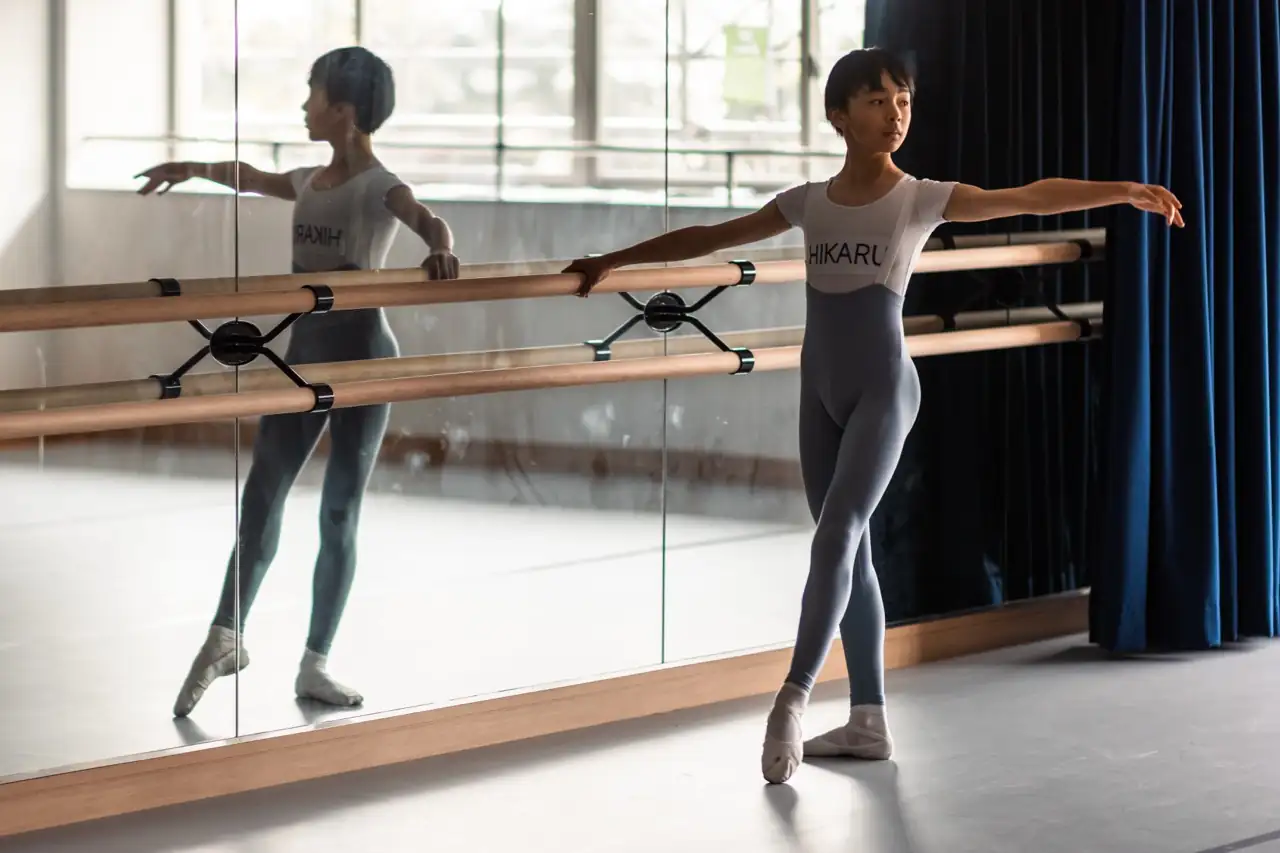
The dance studio boasts Harlequin performance flooring; the training gym, tennis courts and
swimming pool are similarly fitted to professional standards. On hardware, you can assume
the school is never knowingly underspec-ed.
Given the current number of pupils, there are some limitations on team sports and
participation in competitions. Keen basketballers were disappointed last term, and some
British parents lament the lack of cricket. The situation is fast improving with increased
coaching and opportunities for competitive team fixtures each term. Parents of less sporty
children appreciate the opportunities on offer, some picking up tennis or touch rugby for the
first time and, under the guidance of dedicated coaches, are unexpectedly enjoying these
sports.

Boarders
Four boarding houses, with two more due to open in September 2025. Approximately 60
students per house, each team has three residents plus a house assistant; other tutors come in
to help with prep every day.

Roughly half the student population boards, mostly weekly but a good number of full
boarders too. Boys slightly outnumber girls though the girls’ house we visited was lively
during breaktime – a group displaying their prowess in table tennis, vying for selection to
represent the house in the upcoming interhouse competition. A few were unselfconsciously
practising Just Dance with the games console; speed chess and Jenga games also on the go.
The boys’ house we visited was equally energetic – a group of year 7 and 8 boys, ostensibly
all foodies, voiced their opinions about the dining hall menu, all the while hungrily scoffing
onigiri rice balls. House teams were interacting easily with their tutees, remnants of the recent
Halloween party still being put away.

Ethos and heritage

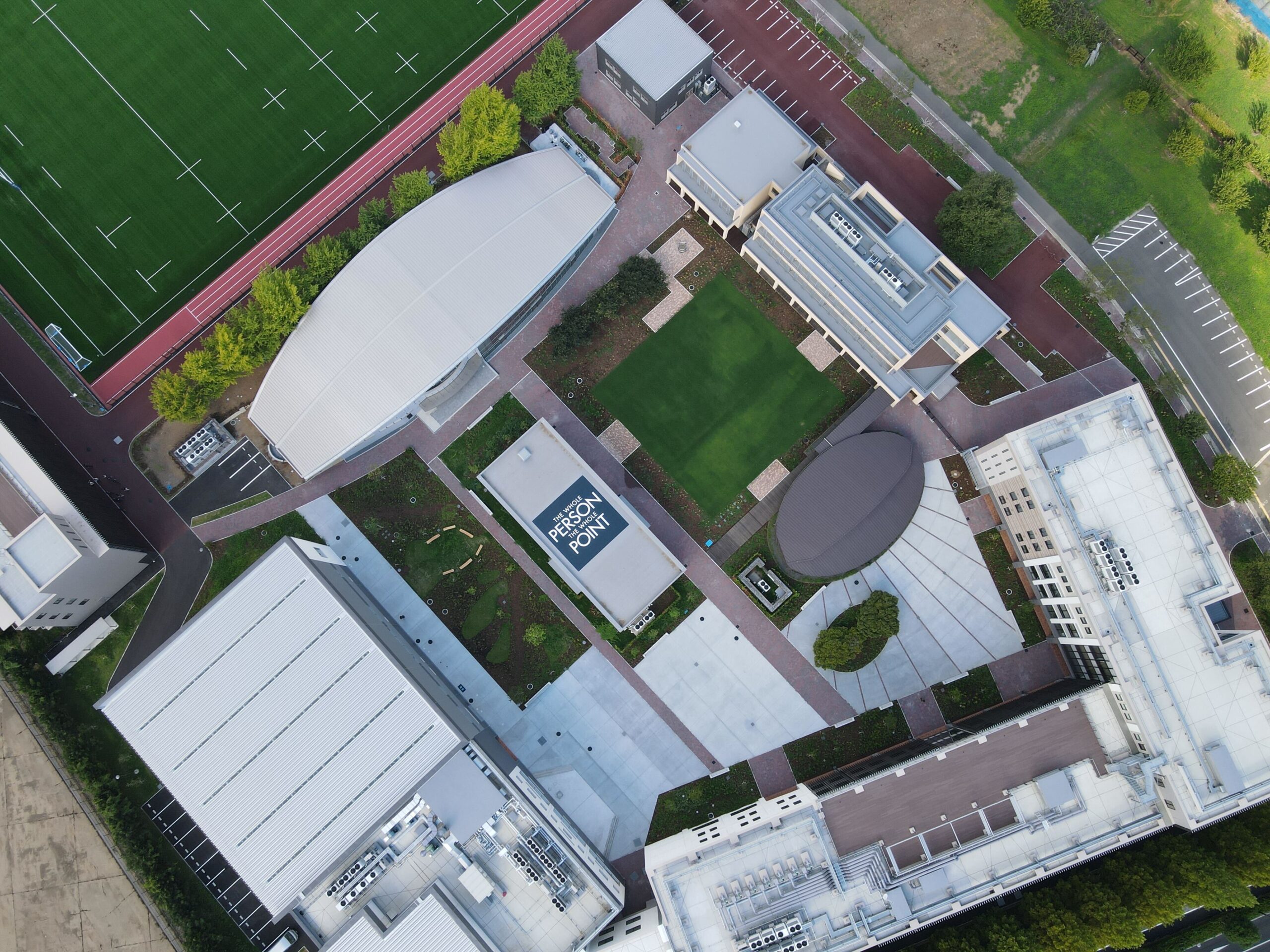
‘Whole person, whole point’ is prominently displayed, the ethos very much evident in the school’s curriculum and pastoral approach. These assemblies are probably the reason the community is familiar with the concept of ‘fine disregard’; in 1823 it was Rugby School student William Webb Ellis’ ‘fine disregard’ for the rules of football (by picking up the football) that founded the sport of rugby (and led to it being named after the school).
Representatives of Rugby School Group visit frequently. Students have begun to visit the
sister school in the UK and there are plans (and facilities) for debates to be held among group
schools via video link.

The school has been making strides in forming partnerships with community groups and
corporations locally and more widely in Japan; Kashiwanoha Smart City is home to the
University of Tokyo, Chiba University and the Institute of Advanced Industrial Science and
Technology. Year 10 students attended the Asian Entrepreneurship Awards, hosted annually
by the city, watching a shortlist of small businesses pitch for investment, and hopefully
stimulating their own entrepreneurial spirit
Collaborative links between the school and the University of Tokyo give sixth formers
opportunities to work with research groups. Links with the local innovation lab allow
students to interact with entrepreneurs and access resources to start their own ventures.
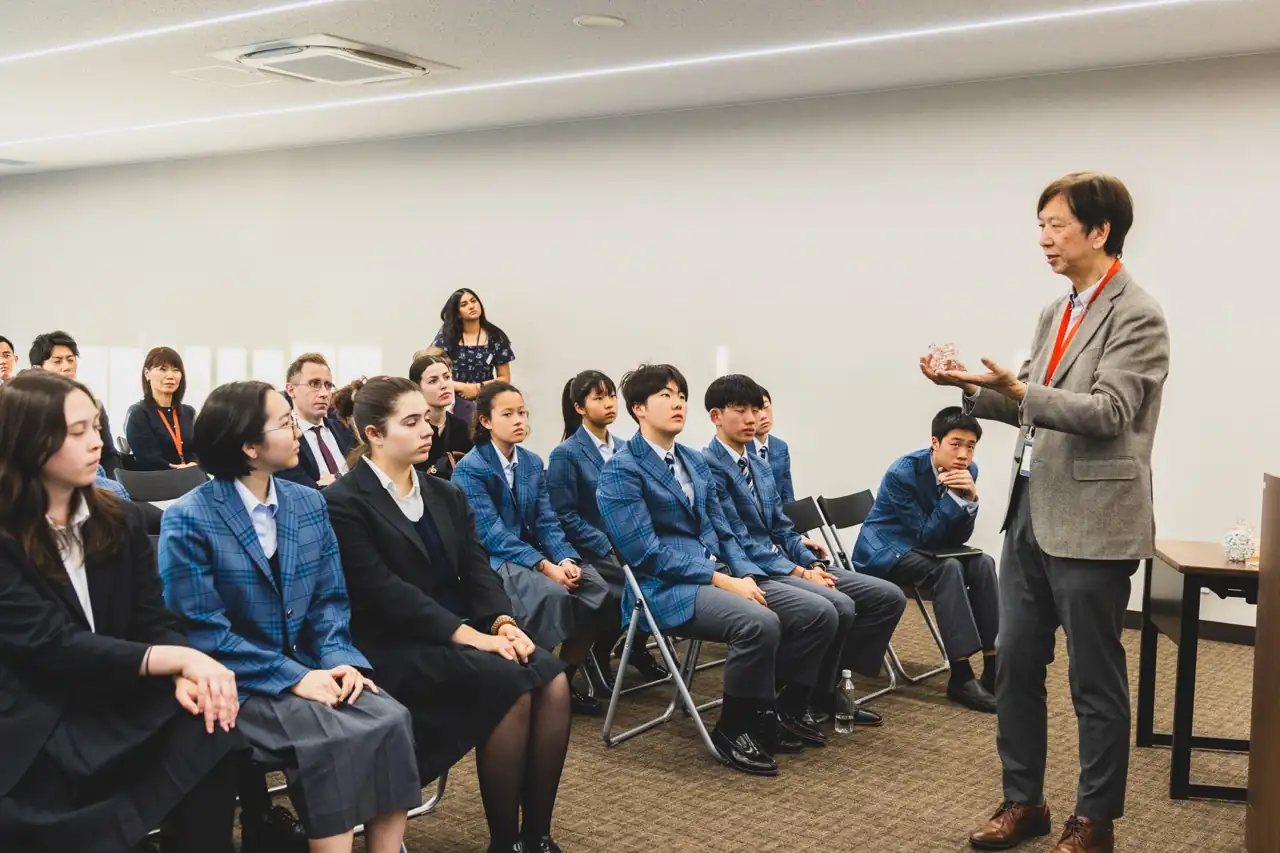
In celebration of the city’s 70th anniversary, the school opened its campus to local
elementary school students and hosted an experience day that introduced their young visitors
to some essential rugby skills from expert coaches. Student artwork is exhibited in local and
community spaces and the school puts on mini music concerts for the community. Students
are also involved in a reading programme at a local school.
Pastoral care, inclusivity and discipline
Parents rave about pastoral care. Even those used to the lower pupil-to-teacher ratios of UK
independent schools say students get a lot of attention here. The school is proud to have been
awarded Beacon Status for their ‘exemplary’ pastoral care system in their recent COBIS
accreditation and compliance process.
Families like that the school offers a choice of day or boarding places. Day students have
desk and cupboard spaces in the rooms in the residential houses and spend much of their
break times there, often using the shower and changing facilities. As a result, day and
boarding students are well integrated; there is ‘no divide’ say parents.
Classroom and community
Some families say the student population is not as diverse in terms of nationalities as they
had initially hoped, but everyone accepts this is inevitable given the location of the school
and the fees.
Many day students live close to school but a small number travel further, some taking an hour
each way door to door. Where there is a long commute on top of the daily schedule of co-
curricular activities, term time can feel quite intense for day students (especially with
Saturday morning school).
A good number of parents take up the open invitation to mingle with each other and staff at
the school café every Saturday. Many opportunities for parents to go onto the campus, to
support their children in football or basketball matches or for parent forums.

Parents, mostly financially privileged, are extremely discerning and have high expectations
for the ‘world class quality education’ that they want for their children. They are not shy
about raising issues (large or small) with the school and holding the leadership to account. As
a light-hearted example, one parent said if the dining hall serves chicken too many days in a
row, parents are quick to register their dissatisfaction and the matter will be swiftly rectified.
The community is tight and many families socialise together (Halloween and Christmas
house parties, for example). Communication between parents and school has been easy
without a PTA so far, but head intends to set this up imminently, cognizant of the importance
of having a formal structure to manage parent engagement.
Money matters
Parents conscious that for roughly the same cost they could send their children to boarding
schools in the UK but choose the school to keep their children close to home. Regarded as
being on a par with UK boarding schools, parents do not begrudge the cost. ‘Extremely
expensive’ said an honest parent bluntly but, as another one put it, ‘nobody says it is not
value for money’.
Some scholarships awards for students who show exceptional abilities in academics, sports or
performing and creative arts; helping to improve access.
The last word
Seriously consider Rugby Japan if you are looking for an authentic British independent day
and boarding school in Japan. Although still building up student numbers, early cohorts are
benefitting greatly from close attention from outstanding academic and pastoral staff, plenty
of cocurricular opportunities (especially sport) and access to enviable facilities.