How the House system at Rugby School Japan helps day and boarding pupils develop the confidence, independence and character to thrive beyond the classroom.
If the ultimate aim of education is to prepare young people for an independent and successful future, how important is it that they first develop a sense of belonging?
Perhaps more important than we might initially think.
Becoming independent requires confidence: the confidence to try something new, take responsibility, make decisions and, inevitably, get things wrong. But confidence rarely develops in isolation. It grows through experience, encouragement and the reassurance that, when things do not go to plan, there are people willing to help.
This belief underpins Rugby School Japan’s (RSJ) House system, where pupils are encouraged to become increasingly independent while remaining part of a close-knit community.
At RSJ, a House is more than a group for sporting competitions or school activities. It is a physical space, a pastoral support network and a community that plays an active role in everyday school life. Importantly, this experience is shared by day pupils and boarders alike.
A Place to Belong
Joining a new school is a significant transition. For pupils moving to a new country or boarding for the first time, the challenges can be even greater. The House system helps ease this transition by giving every pupil a smaller community within the wider school.
Each House has its own identity, traditions, communal spaces and dedicated pastoral team, including a Housemaster or Housemistress, tutors and other House staff. For Josh Laird, Housemaster of Tudor, the priority is ensuring that pupils know where to turn when they need support.
“One of the greatest strengths of our House community is that there is always someone there to help.”
Older pupils also play an important role, particularly those in the Sixth Form who remember what it was like to arrive at a new school themselves. Alongside the individual tutoring system, which ensures that every pupil has an adult who understands their needs and progress, these relationships help establish the trust needed for pupils to feel they belong.
From Fitting In to Taking Part
Feeling included is only the beginning. Pupils also need opportunities to contribute and discover the different ways they can make a meaningful difference to their community.
At RSJ, House activities extend far beyond traditional sporting competitions. In the first five weeks of the autumn term alone, pupils took part in debating, language competitions, House Art and football, alongside elections for House Councils and leadership positions covering music, art and social media.
For Josh, the variety of opportunities is particularly important.
“What makes House life so special is that there really is something for everyone.”
House activities bring together pupils from different year groups, backgrounds and friendship circles. Some discover interests they had never explored before, while others gain confidence by contributing to a team, even when they are not its strongest performer.
Maggie Wong, a member of the Tudor House team, recalls an Inter-House Football competition that illustrated this particularly well. Some pupils were playing for their House for the first time, while others supported their teammates from the sidelines.
“They all had different roles to play but with one goal only – to support the house.”
The experience demonstrated that every pupil can contribute in their own way. Recognising those contributions helps young people develop confidence in their abilities while learning to appreciate the strengths of others. It also encourages them to try things they might otherwise avoid.
Learning Through Mistakes
Confidence is easy to demonstrate when everything is going well. A more meaningful test comes when pupils encounter disappointment, make mistakes or face situations they do not know how to manage.
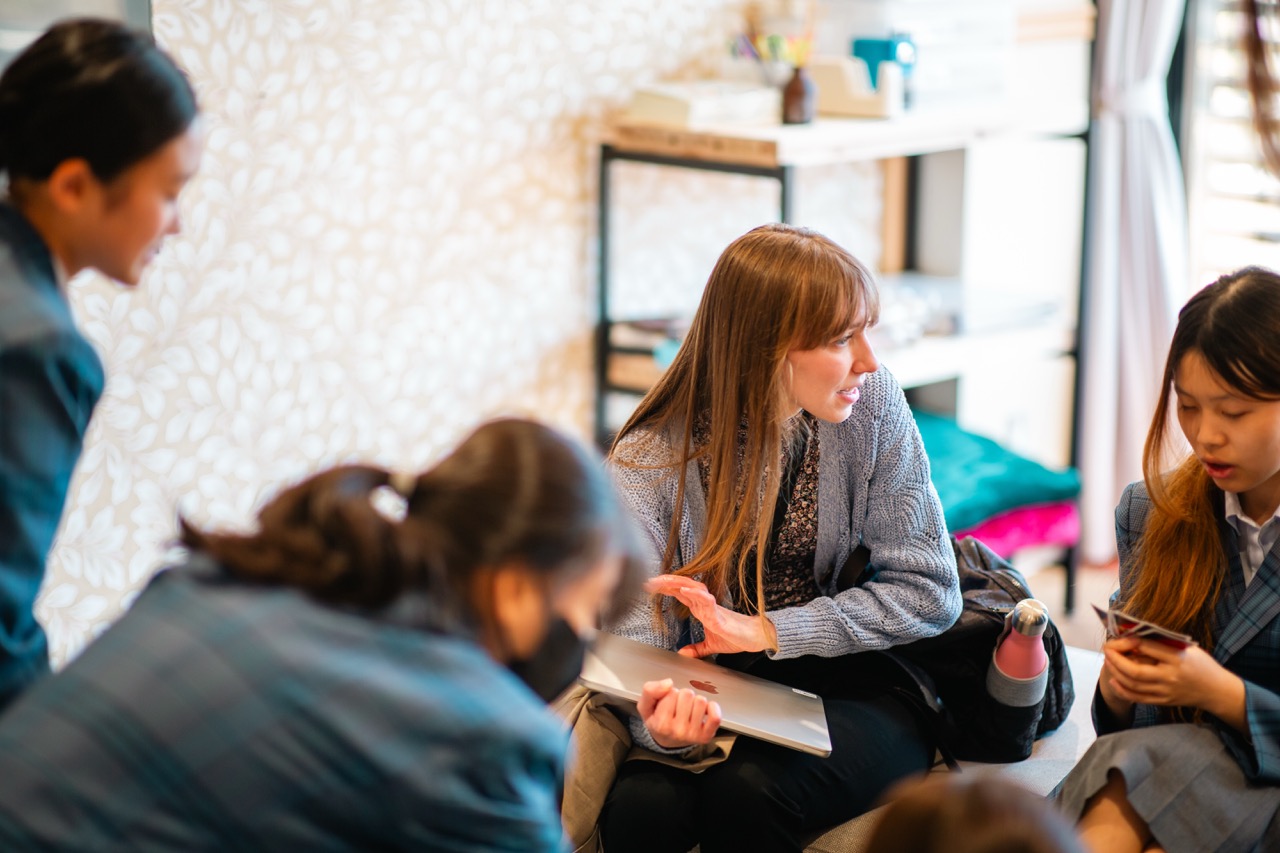
For Maddy and Henry Mellor, who lead Town House, creating an environment where pupils feel able to talk openly about their difficulties is central to their approach.
“If pupils know that the adults around them are approachable, that they will be listened to and that they won’t immediately be judged when something goes wrong, they are much more likely to ask for help.”
They are also keen to help pupils understand that mistakes are a normal part of learning.
“We talk a lot about the fact that getting something wrong is often part of getting something right.”
By allowing pupils to see adults attempt unfamiliar activities, acknowledge mistakes and learn from experience, House staff help establish a culture in which taking sensible risks is encouraged rather than avoided.
Independence does not mean managing every challenge without assistance. It means gradually developing the judgement to recognise what one can handle independently and when guidance would be helpful. The support pupils receive is not intended to shield them from every setback, but to help them develop the confidence and resilience to deal with setbacks themselves.
When Belonging Becomes Leadership
Maddy and Henry recall a pupil who initially appeared confident but was, beneath the surface, dealing with emotional challenges. Over time, they worked to build a relationship in which he felt comfortable talking openly about his difficulties.
As his trust in the adults around him grew, so did his confidence. By the end of the year, he was regularly volunteering to act as a buddy for visiting pupils, welcoming newcomers and offering them the same kindness and reassurance he had received himself.
For the House team, it was a powerful example of how belonging can influence personal development. A relationship built on trust had helped a pupil develop the confidence to take responsibility for others. Although he has since left RSJ, he continues to keep in touch with the House.
As Maddy and Henry reflect:
“You don’t necessarily see the full impact of what you are doing while a pupil is with you. Sometimes it is only when they move on that you realise how much they have grown, and how much the relationships and experiences they had in House have helped prepare them for what comes next.”
Within a House community, pupils regularly encounter people whose personalities, interests and experiences differ from their own. They learn to collaborate, navigate disagreements and support younger pupils, while recognising that their actions affect those around them.
Leadership roles provide further opportunities to develop these qualities. In Tudor, for example, every Year 13 girl holds a student leadership position, giving senior pupils opportunities to take responsibility and contribute to the running of the House.
As pupils take on greater responsibility, regular conversations with House staff help them navigate the challenges that come with it. The aim is to give them the freedom to develop their judgement while ensuring that guidance remains available when they need it.
Over time, pupils learn that leadership involves more than holding a title. It requires consideration for others, a willingness to contribute and an understanding of the responsibilities that come with being part of a community.
As Maddy and Henry explain, they want pupils to understand “that being part of a community isn’t just about what you receive from it, but also what you give back.”
The Benefits of Boarding, Without Having to Board
For families considering an international school in Tokyo, this raises an important question: does a child need to board to benefit from the House system?
At RSJ, the answer is no.
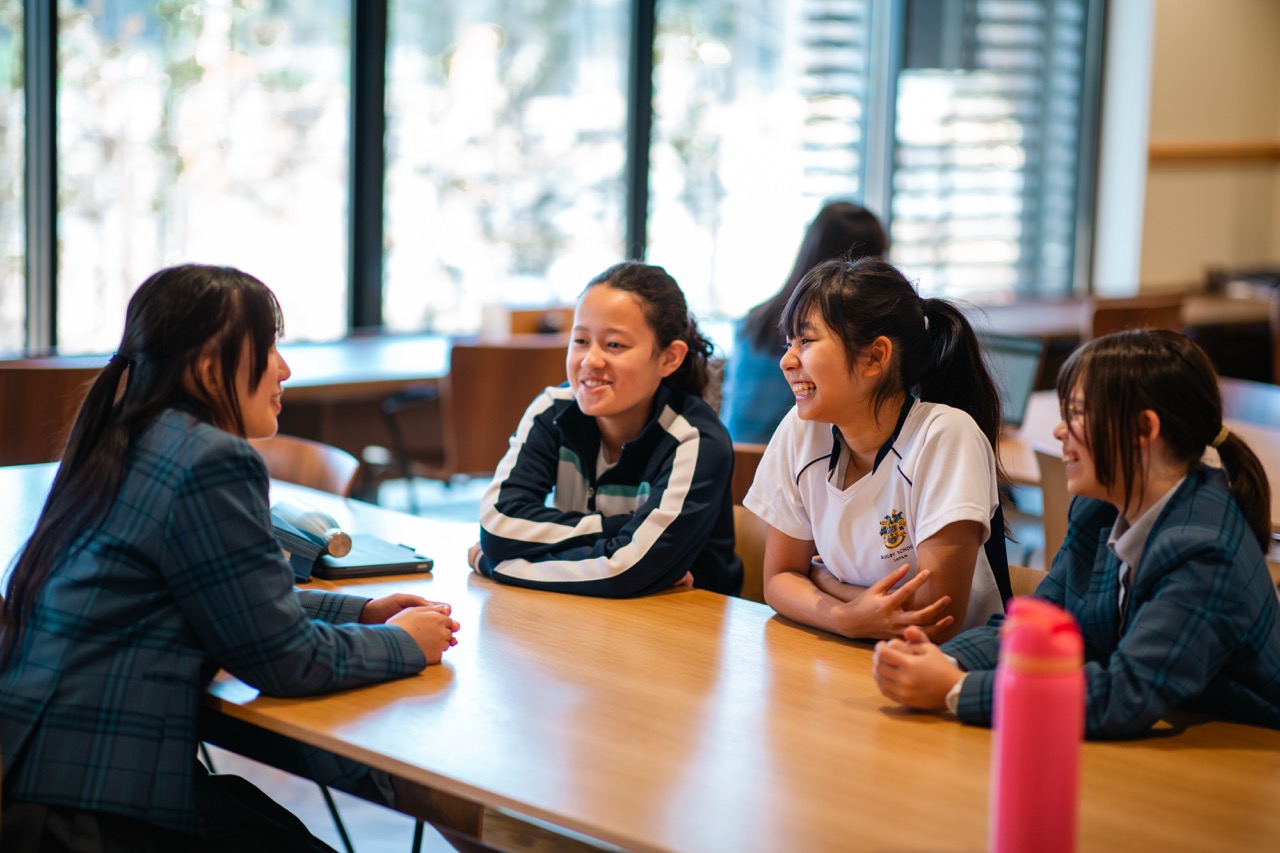
Every pupil belongs to a House community modelled on the traditions of British boarding education. Day pupils and boarders alike participate in House activities, competitions and leadership opportunities, and have access to the same House pastoral teams. They also develop relationships with pupils across different year groups.
Boarding pupils benefit from the additional experience of living alongside their peers, managing routines and sharing daily responsibilities. Day pupils have a different daily rhythm, but their participation in House life allows them to develop many of the same relationships, confidence and sense of responsibility.
In this way, RSJ makes an important part of the traditional British boarding experience accessible to families who prefer their children to live at home. For internationally mobile families in particular, a consistent House community can also provide a valuable sense of connection as pupils navigate life in a new school or country.
Preparing for Life Beyond School
Ultimately, the value of a school education must be measured by more than examination results. Academic achievement matters, but so does a young person’s ability to navigate unfamiliar situations, manage relationships, make sound decisions and take responsibility for themselves.
These qualities develop through experience, rather than academic instruction alone. At RSJ, the House system provides an environment in which pupils can practise them every day, through friendships, shared responsibilities, leadership opportunities and relationships with adults who know them well.
For Maddy and Henry, success means that the lessons of House life remain with pupils long after they leave school.
“If, years from now, they remember Town House as a place where they were able to be themselves, make mistakes, try new things, develop their confidence and feel that they belonged, then we think we will have done our job well.”
Perhaps the best way to prepare young people to stand on their own two feet is to begin by giving them somewhere they know they belong.