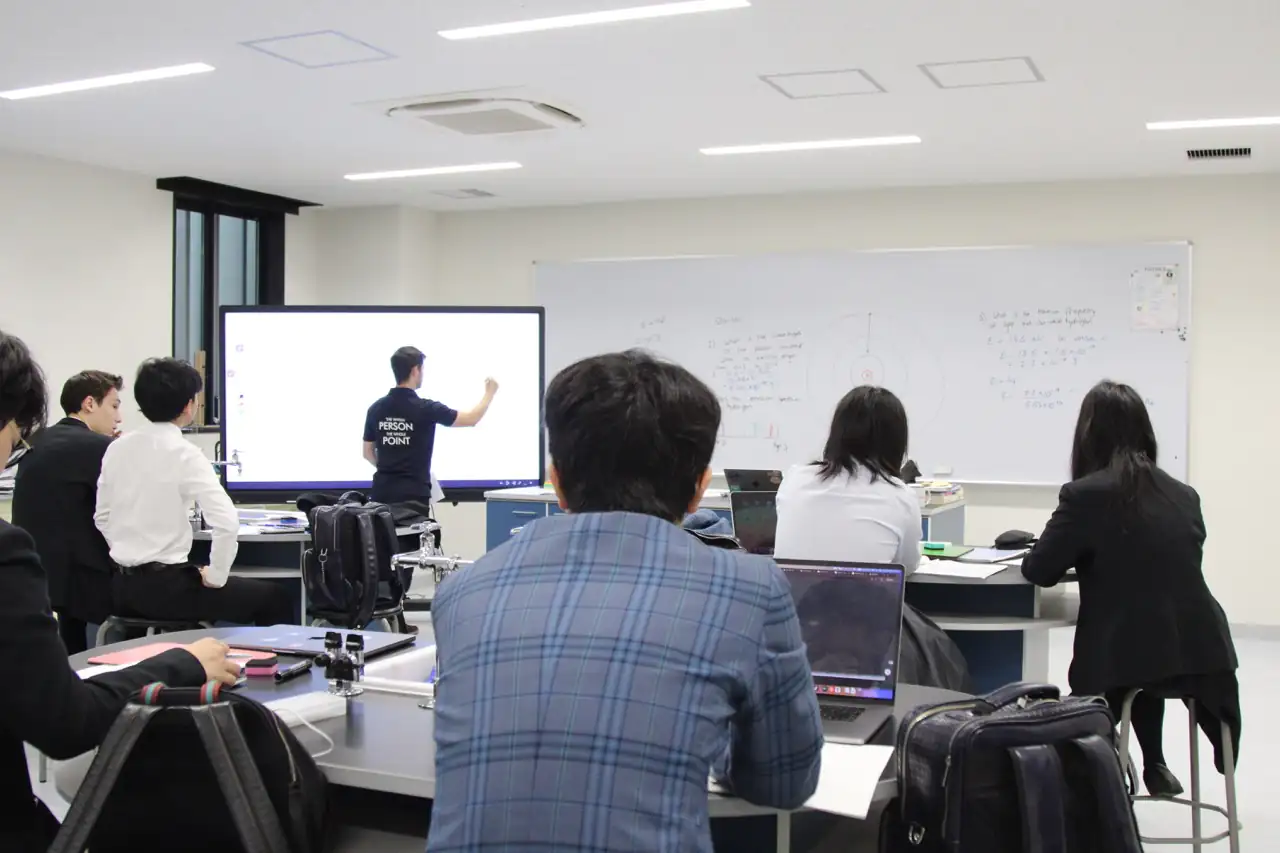
Several scientific studies have found that regularly solving physics problems changes the structure of your brain, forming new neural connections via a phenomenon known as neuroplasticity. These connections help to improve the overall function of the brain, including helping to reduce the rate of brain ageing and cell decay over time.
Unfortunately these connections do not form during simple learning of facts, for example memorising the seven types of waves in the electromagnetic spectrum (radiowaves, microwaves, infrared, visible light, ultraviolet, x-rays and gamma rays, in case you have forgotten them). Instead, we gain these benefits by working on rigorous problems linking different concepts. For example, working out the increase in temperature between the top and bottom of a waterfall as gravitational energy turns into thermal energy, or finding the number of fusion reactions per second in the core of our Sun. It’s just like how walking on a treadmill won’t do much to improve our cardiac fitness: only by working at the very edge, within the zone of proximal development, do we truly make progress.
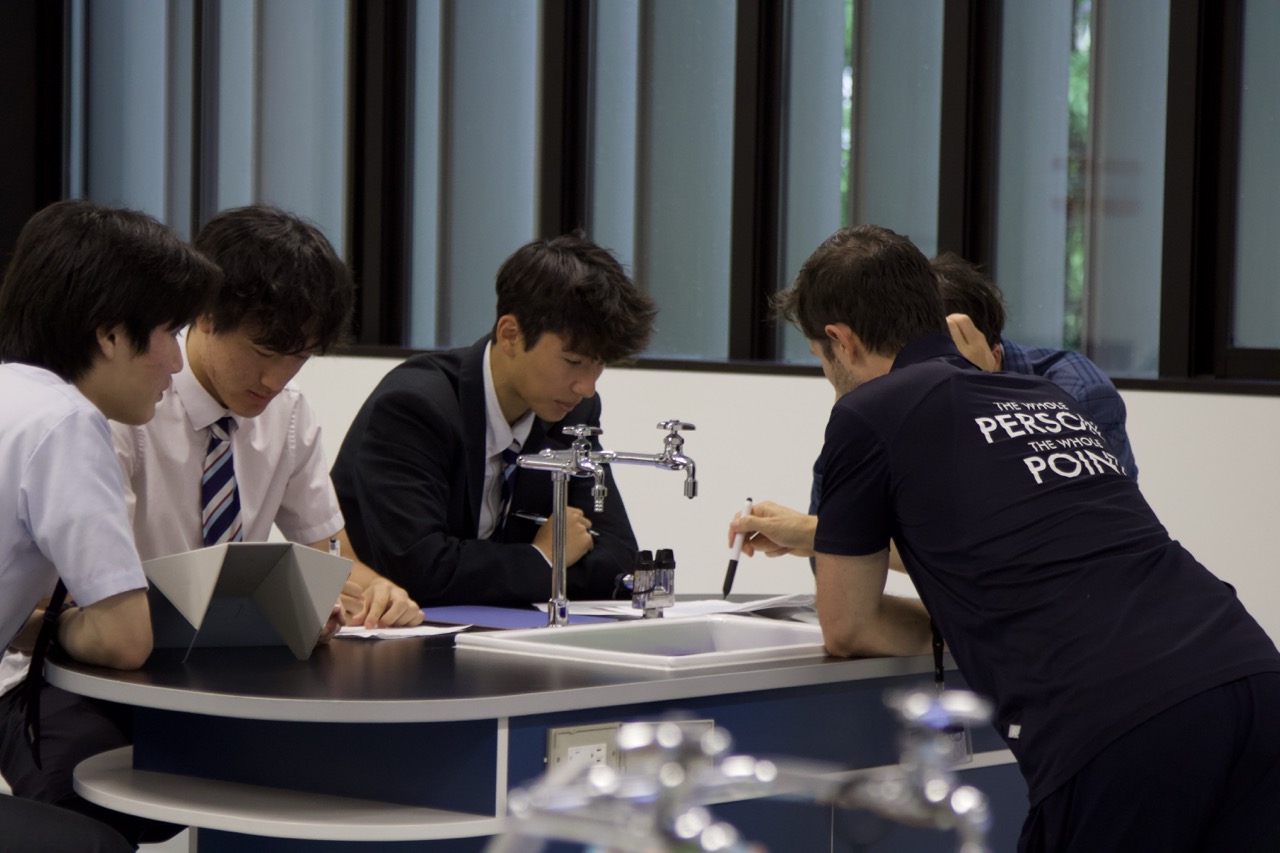
Top entrepreneurs like Elon Musk, Jeff Bezos, Sam Altman, Larry Page and Sergey Brin all started off by studying Physics, Engineering, or Computer Science, enhancing their problem-solving abilities and brain power, and ultimately giving them the tools to model and grow hugely successful companies. Even if the business or corporate world isn’t where you see yourself working, there are huge health benefits to developing the cognitive resilience which can not only enhance overall life expectancy, but particularly prolong the so-called ‘healthy years’. At RSJ, we regularly stretch our physicists to the edges of their comfort zones.
Lessons are designed to include problem-solving, critical thinking, and logic-based tasks, asking pupils to look beyond an equation and think about what the physics they are learning really means. We also love pushing them outside of the classroom, with pupils from all year groups having had the opportunity to take part in British Physics Olympiad challenges this year, as well as various enrichment activities offered.
If physics problem-solving doesn’t sound like your favourite weekend activity, there are many other ways to keep the brain active and healthy. Navigating without a map or socialising with friends are also proven ways to maintain a healthy brain. Continuing learning late into life (for example, learning a second language) is also hugely beneficial. All of the above epitomises the importance of our ‘whole person, whole point’ ethos here at RSJ. This is especially important as society navigates the era of AI where young people are at risk of losing neural connections if they don’t think hard enough for long enough.
A study by the Institute of the Future in 2022 suggested that 85% of jobs in 2030 have not been invented yet. The World Economic Forum’s 2025 ‘Future of Jobs’ report found that 39% of employees’ current skill set is likely to be outdated or transformed by the same year. Our pupils will be moving into a future where skills, personality, and adaptability will be the most important assets, rather than just knowledge. We therefore believe that the best way to prepare our pupils for this future is to ensure they are creative, resilient, and adaptable.
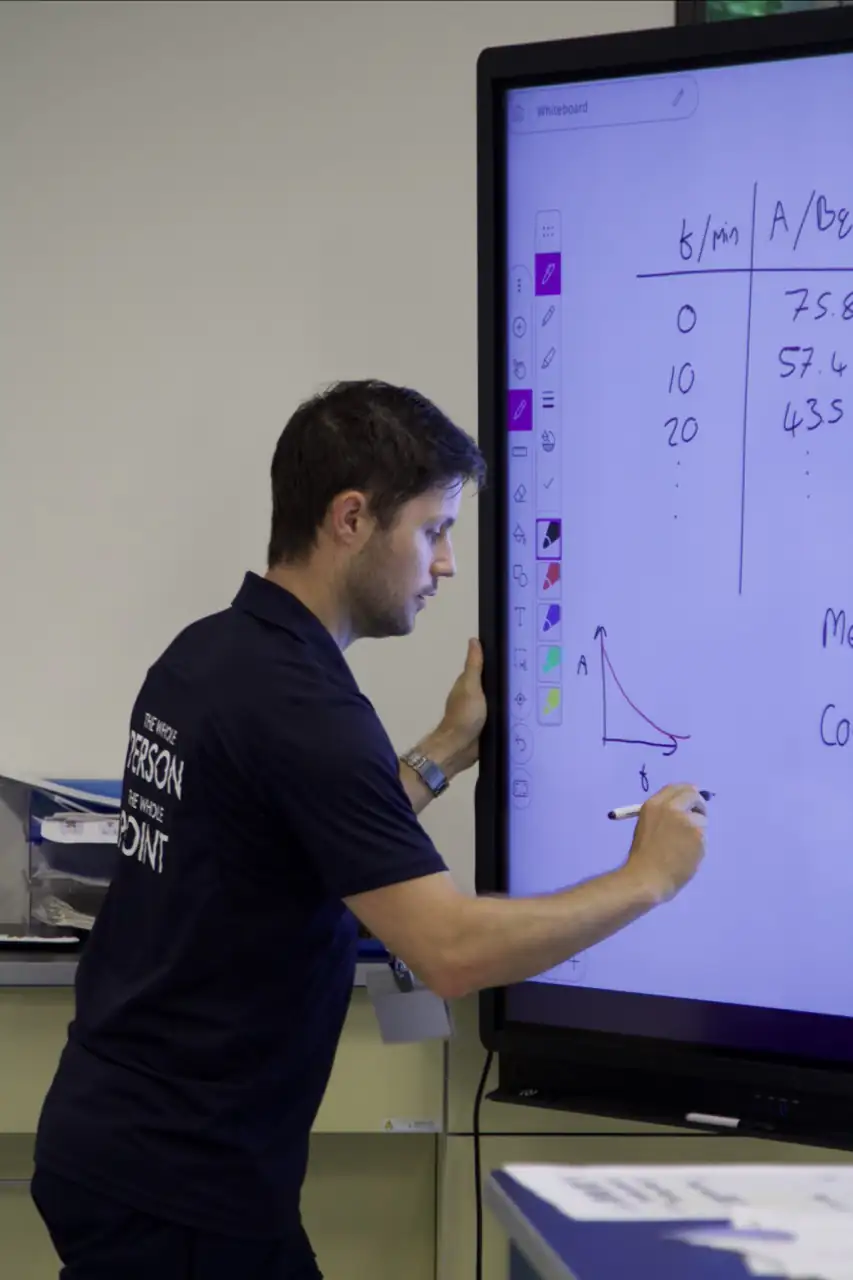
Challenging themselves every day, even if they might not like it at the time, will help to shape their brains and allow them to tackle whatever life throws at them later. In a world where information is so readily accessible and every question can be answered instantaneously, consciously learning to struggle and persevere is vital to growing resilience and determination. As the author Samuel Becket famously wrote, ‘Ever tried. Ever failed. No matter. Try again. Fail again. Fail better’.
To read the studies for yourself, follow the links below:
https://pmc.ncbi.nlm.nih.gov/articles/PMC6889284/
https://www.bbc.com/future/article/20260508-three-impactful-ways-to-protect-your-brain-from-ageing
https://www.weforum.org/publications/the-future-of-jobs-report-2025/
Written by Jack Harman
Head of Physics and Timetabler at RSJ