Happy Lunar New Year! I wish everyone a very healthy and energetic Year of the Horse.
The World Scholar’s Cup Tokyo Round is fast approaching. As the programme coordinator at RSJ, I would like to provide an overview of what the World Scholar’s Cup is.
While it is technically an international academic tournament, calling WSC a “competition” feels a bit like calling a festival a “meeting”. In reality, it is a global celebration of learning, a place where curiosity is a superpower. As we prepare our teams for the upcoming season, we wanted to share a little more about what makes this programme so special and how our community can get involved.
The Four Pillars of Scholarship
The WSC curriculum isn’t your standard textbook fare. Each year, the programme revolves around a central theme, covering six diverse subjects: Science & Technology, Literature, Art & Music, Social Studies, History, and a Special Area. Students explore these through four core events:
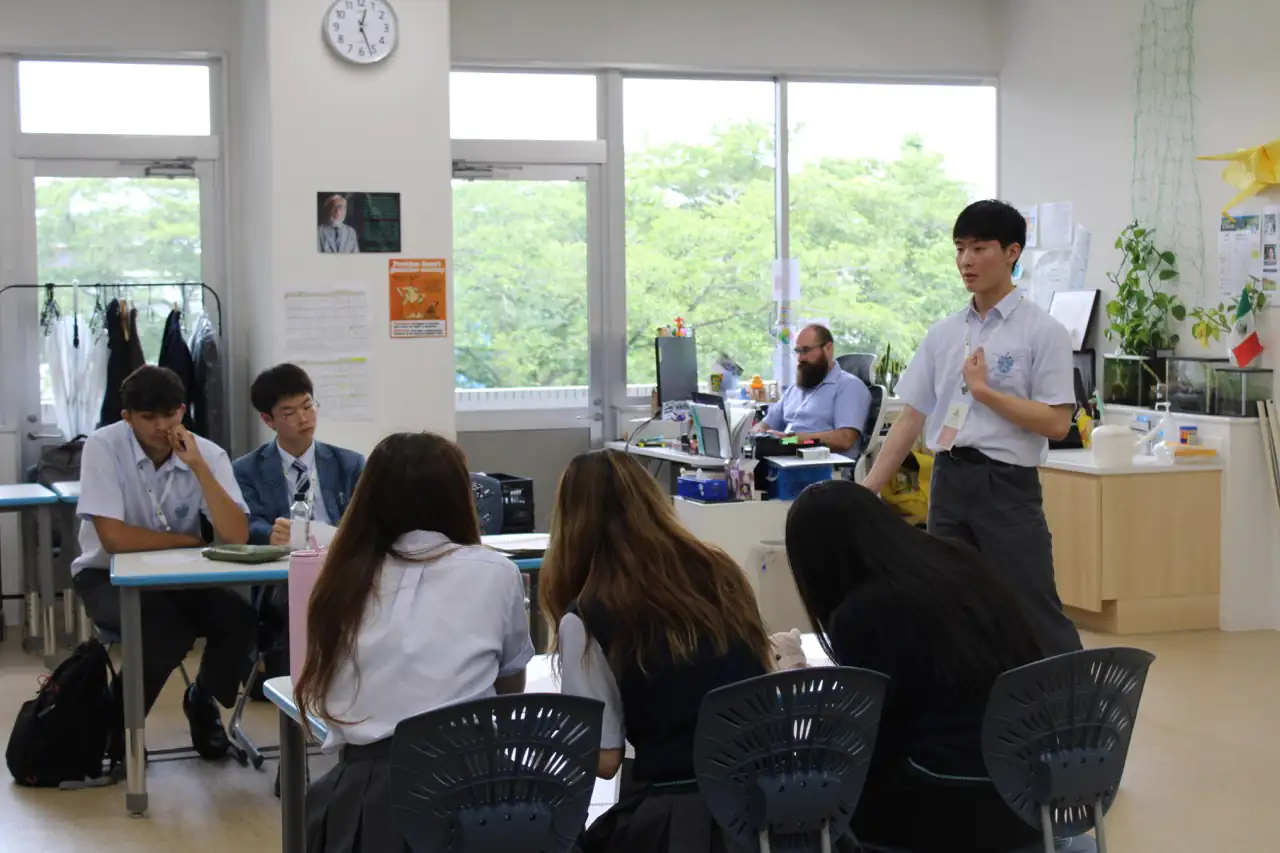
- Team Debate: This isn’t about being the loudest voice in the room. Teams of three are given a motion and a few minutes to prepare. The goal is to use logic, evidence, and—most importantly—teamwork to persuade the judges. After each debate, teams are encouraged to give feedback to their opponents, fostering a culture of “winning with grace and losing with dignity”.
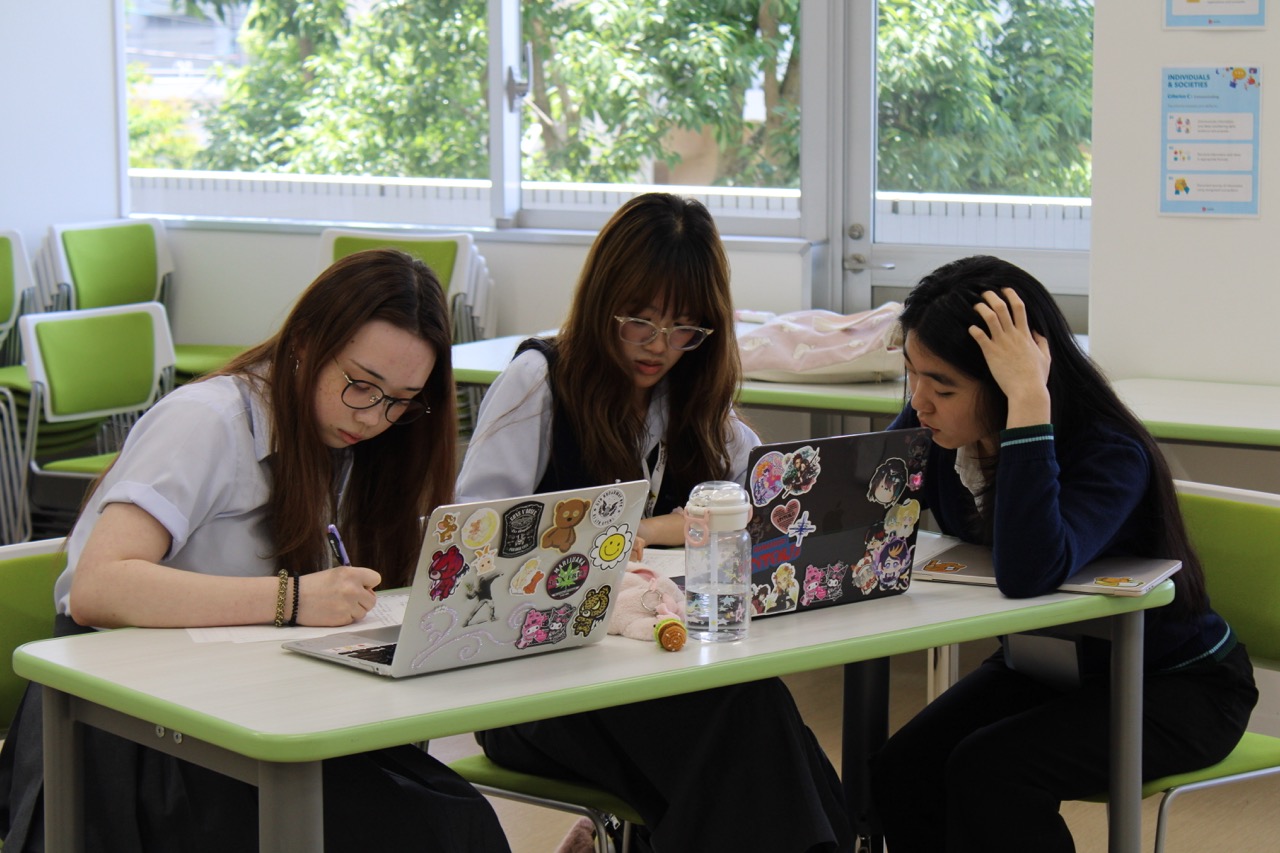
- Collaborative Writing: Scholars are given six prompts (one for each subject area). While they write their individual essays, they spend the first 20 minutes brainstorming together as a team. It’s a brilliant way to see how three different minds can tackle one complex problem.
- The Scholar’s Challenge: Think of this as the world’s most interesting multiple-choice test. The questions are designed to be quirky and thought-provoking. If a scholar isn’t 100% sure of an answer, they can actually mark more than one—the “Challenge” is as much about strategy as it is about knowledge.
- The Scholar’s Bowl: The grand finale! Held in a large theatre, teams use clickers to solve questions in a high-energy, fast-paced race against the clock. The atmosphere is more like a rock concert than an exam hall.
The 2026 Theme: Exploring Our World
For the 2026 season, our pupils are diving into the theme of “Are We There Yet?”. This curriculum challenges students to look at how we build—and rebuild—societies, memories, and technologies. From studying the architectural marvels of the past to debating the future of “de-extinction” in science, the topics are designed to make students think across disciplines. It’s not just about memorising facts; it’s about understanding the “why” behind the “what”.
The “Pwaa” Factor: A Community Like No Other
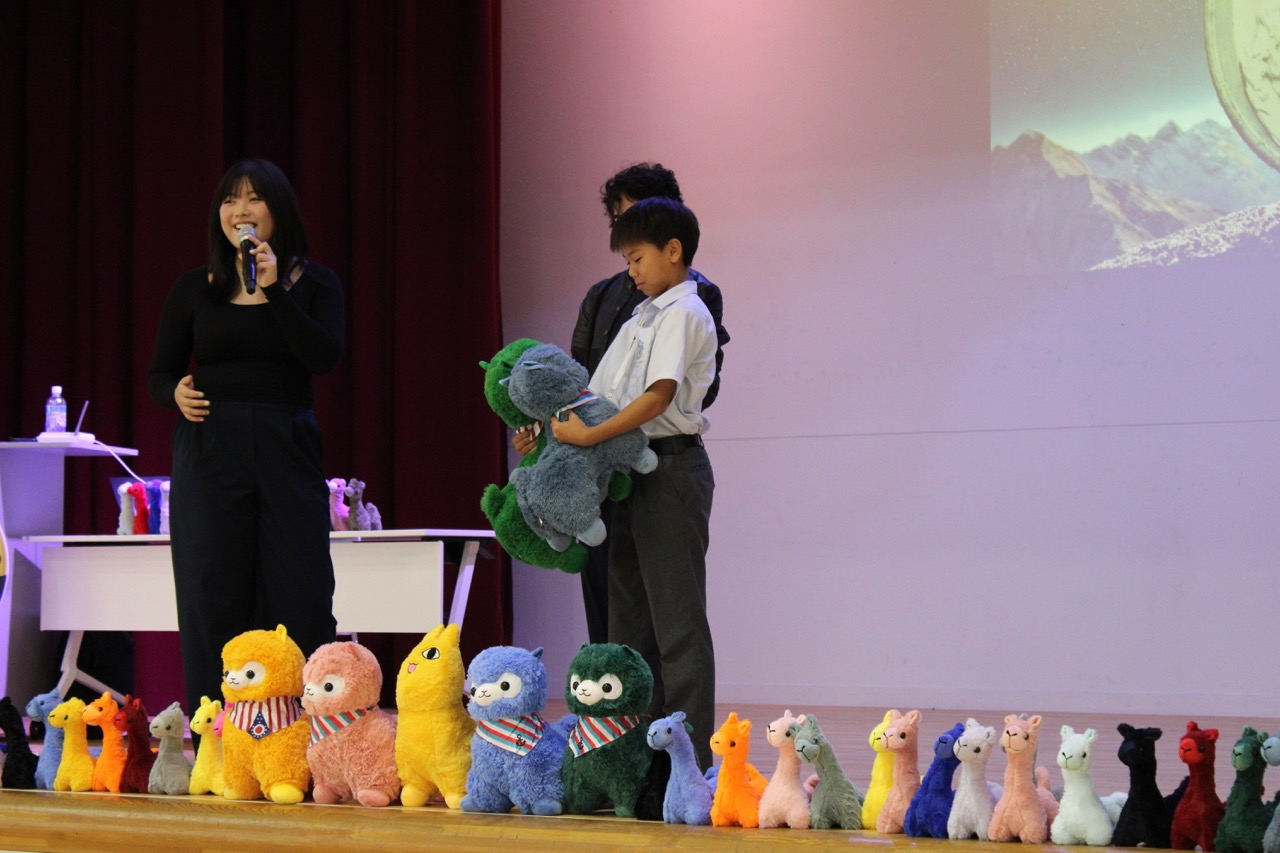
What truly sets WSC apart is its spirit. The mascot of the programme is the Alpaca (specifically a stuffed alpaca named Jerry), which serves as a reminder to students not to take themselves too seriously. The programme embraces the “intellectually adventurous”. It’s a place where a student might debate a serious geopolitical issue in the morning and participate in a “Talent Show” or an “Alpaca Adoption Ceremony” in the afternoon.
The “Pwaa!”—the sound an alpaca supposedly makes—has become the universal greeting of the WSC community. It represents a shared bond between thousands of scholars from over 80 countries. By participating, our pupils aren’t just gaining academic points; they are joining a global family of thinkers who value kindness as much as intelligence.
A Note for Parents: How You Can Help
We are often asked how families can support their scholars at home. You don’t need to be an expert in the curriculum to be a great “Alpaca Coach!” Here are a few ways to help:
- Be an Audience: Let your child explain a topic they’ve been researching. Teaching someone else is the best way to master a subject.
- The “Dinner Table Debate”: Pick a lighthearted topic (e.g., “Is a hotdog a sandwich?”) and have a 5-minute timed debate. It helps build the quick-thinking skills they need for the Team Debate event.
- Encourage Curiosity: WSC is a lot of work, but it should stay fun. If they are feeling overwhelmed by the “Challenge” subjects, remind them that even the world’s best scholars don’t know everything.
- Support the Team Spirit: Since scholars compete in teams of three, encourage them to meet up for “study dates” that are 50% learning and 50% social bonding.
At its heart, the World Scholar’s Cup teaches our pupils how to think, not what to think. We are incredibly proud of our teams as they dive into this year’s curriculum, and we can’t wait to see them shine on the world stage.
Pwaa to all our WSC teams!
WSC Programme Coordinator
Ms Maggie Wong