Pastoral care is about more than just managing problems; it’s about proactively building resilience and fostering a supportive, thriving community. Since September, the school has seen a significant push to embed these principles into daily life, combining key national strategies with exciting new initiatives aimed at supporting every pupil.
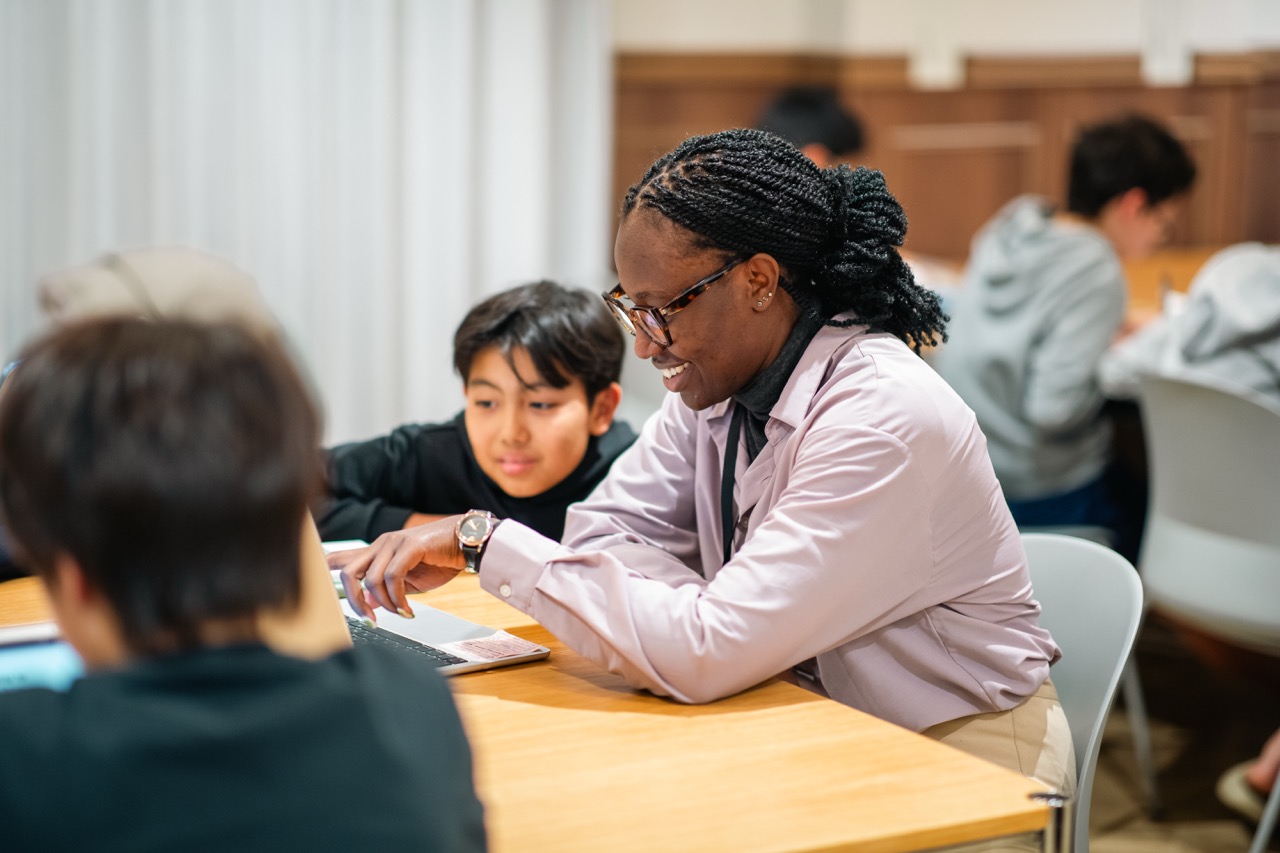
At the heart of this work is the Housemaster/Housemistress (HM), who holds the overall responsibility for their pupils’ welfare, and the wider House Core Team. This Core Team, consisting of the HM, the Assistant HM, and the House Assistant, is vital to delivering comprehensive support and operates as the essential ‘team around the child.’ This dedicated structure ensures every pupil is supported holistically, addressing both their academic progress and, crucially, their emotional and mental wellbeing. Every member of the core team is committed to making sure pupils have access to the right resources and the right conversations when they need them most.

Routine Wellbeing in Tutor Periods
The weekly Pastoral Tutor Period is more than just a dedicated lesson; it is the all-important, regular touchpoint where the tutor provides essential support and guidance to pupils in their daily lives. The tutor acts as a key mentor, monitoring each pupil’s progress and wellbeing. These sessions are deliberately structured to introduce and reinforce positive habits that pupils can carry forward. A key focus has been the Five Ways to Wellbeing – Connect, Be Active, Take Notice, Keep Learning, and Give – promoted by the NZ Mental Health Foundation. Tutors have guided pupils through these five simple yet powerful actions, helping them understand how routine choices can significantly impact their mental health.
We have also utilised the Action for Happiness monthly calendar to introduce small, daily challenges focused on gratitude and kindness, giving pupils practical ways to contribute positively to their own and others’ happiness. This routine work is complemented by practical support, including essential first aid training on the use of Epipens for example, and a preliminary introduction to our exciting new digital tool, The Wellbeing Hub.
The Transformative Wellbeing Day
A major highlight of the first half of term was the dedicated Wellbeing Day in September, a break from the usual curriculum focused entirely on holistic health. This day was multifaceted, beginning with the annual Health Checks, providing pupils with valuable data about their physical health, the results of which have now been shared with parents.
However, the day’s true power lay in its experiential activities. Pupils were able to explore a wide range of strategies for mental and emotional balance, from calming meditation and expressive art therapy to practical sessions on the importance of exercise and the benefits of reflection and journalling. Activities ranged from looking at reading for pleasure to information from the Science Department, demystifying the health checks and explaining exactly what the tests were measuring, linking wellbeing back to fundamental biological understanding. In addition, tutors have been collecting initial pupil feedback on the Wellbeing Day to inform future planning.
Empowering Pupil Voice
Furthermore, we have worked hard to enhance Pupil Voice, giving pupils a direct stake in shaping their school environment. The establishment of new House Councils and a central School Council has provided formal, democratic platforms for this. We encouraged pupils to put themselves forward as candidates, articulating their visions and ideas for their House and the school’s future. The subsequent peer elections provided a valuable opportunity for pupils to experience a fair, democratic process in action. These newly elected councils meet regularly and supplement our existing, robust channels for feedback, which already include weekly discussions between the Senior Deputy and Heads of School, Prefect meetings with HMs, and the ongoing work of the Food Committee.
Comprehensive Professional Support
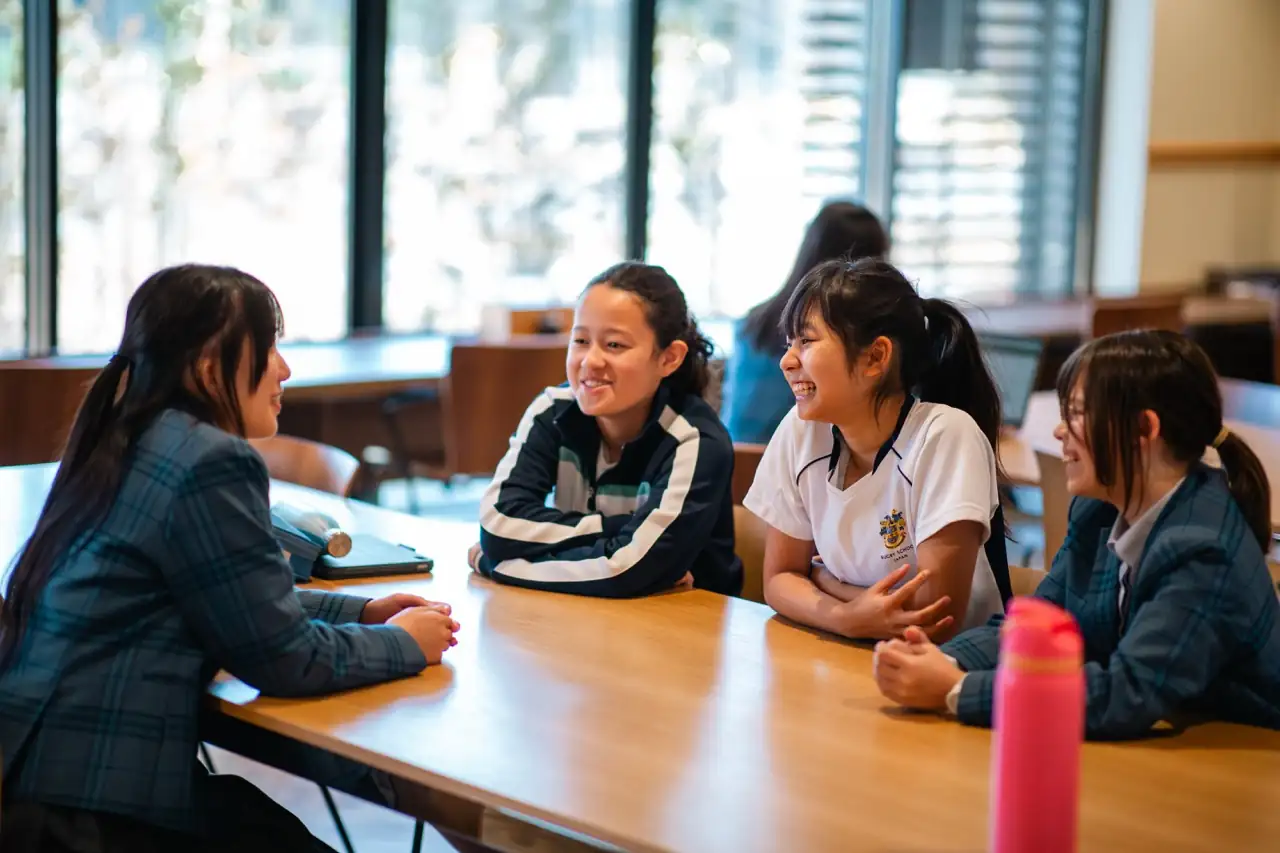
The dedicated House teams are further complemented by a robust structure of professional medical and psychological support available across the school. Our Health Centre is staffed by a dedicated team of nurses providing care and assurance 24/7. Furthermore, the school offers access to a visiting School Counsellor who can work in both Japanese and English, ensuring that our pupils, regardless of their native language, have access to confidential and expert emotional support when needed. This comprehensive network ensures we can respond effectively to both routine and complex pupil needs.
Digital Support: The Wellbeing Hub
Looking ahead, one of the most powerful resources we have introduced is The Wellbeing Hub. This online platform, created by wellbeing expert Alicia Drummond, provides teachers with immediate access to expertly curated resources and training to support their tutees effectively. This marks a significant investment in our staff’s capacity to provide informed pastoral care. Whilst teachers are currently using the Hub to enhance their understanding, we are committed to steadily rolling it out to pupils and parents over the course of the academic year, ensuring our entire community has access to this excellent bank of resources.
It’s clear that our pastoral landscape is vibrant and dynamic. From routine weekly reflections and democratic elections to comprehensive Wellbeing Days and the introduction of powerful digital resources, there is a lot of positive work underway. Our commitment remains firm: to continue building the team around the child and to equip our pupils with the skills and routines they need to successfully navigate the challenges of teenage life and thrive, both academically and personally.