Can one person really make a difference when a problem seems too big to solve?
At our first school assembly following the half-term break, I shared a story inspired by the writing of American anthropologist and naturalist Loren Eiseley.
A boy walks along a beach covered with starfish stranded by the retreating tide, returning them one by one to the sea. When a passer-by questions whether his efforts can possibly matter, given how many starfish remain, the boy picks up another and replies:
“I made a difference to that one.”
It is a simple story, but one that raises an interesting question: why do we sometimes hesitate to act, evenwhen we know we could help?
Psychologists describe a phenomenon known as the *bystander effect*. In certain situations, we become less likely to intervene when others are present, assuming that someone else will take responsibility. The more people who could act, the easier it becomes for each of us to think, ‘Someone else will do it.’
But what happens when everyone thinks this way?
The Difference in Small Things
This question is particularly relevant to school life, where hundreds of people share the same spaces, resources and experiences every day.
Consider something as ordinary as wasting food, leaving a dining table untidy or walking past a piece of litter on the playing field. Each action may seem insignificant in isolation. Yet these small decisions have consequences, often for people whose work we may not stop to consider.
Our catering, cleaning and facilities teams contribute enormously to the daily life of the School. Respecting their efforts and taking responsibility for the spaces we share are not simply matters of good manners. They reflect an understanding that we are part of something larger than ourselves.
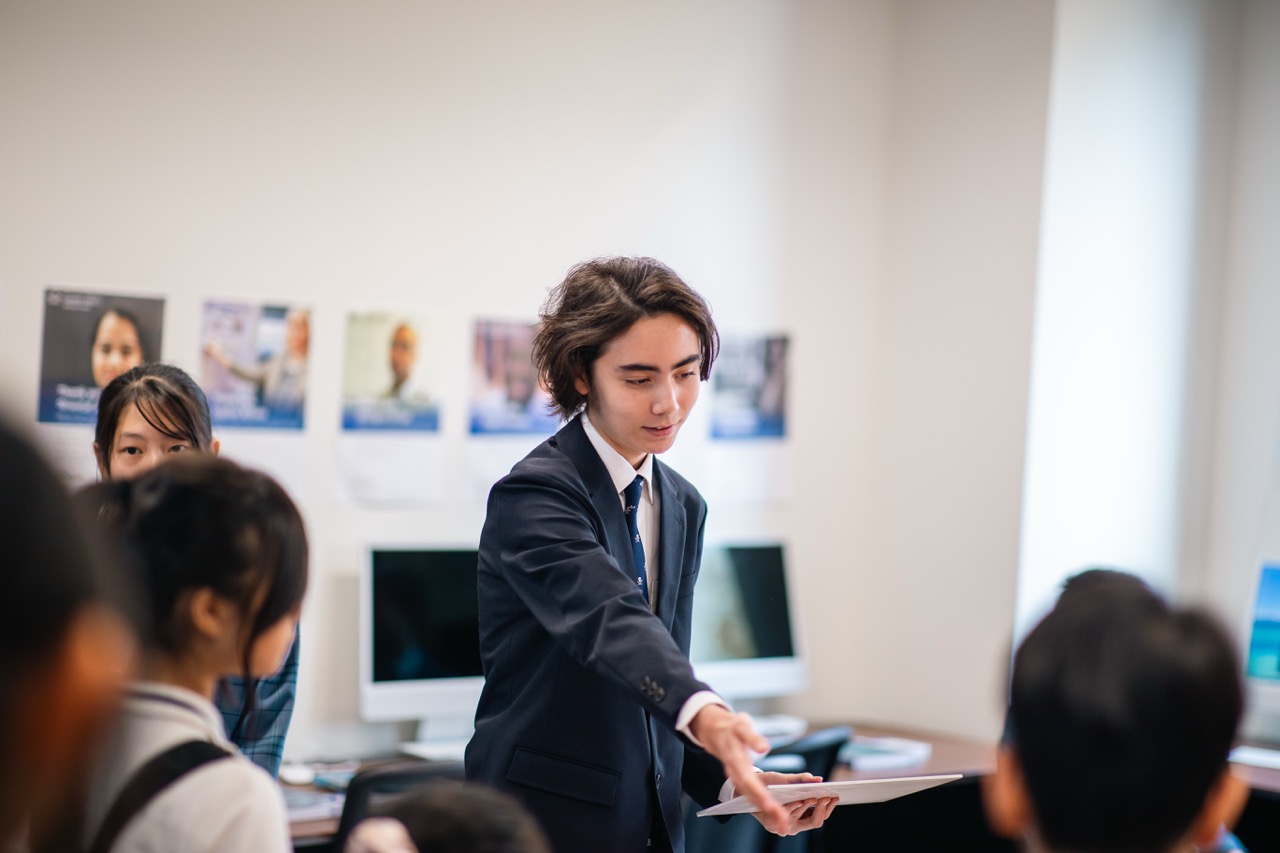
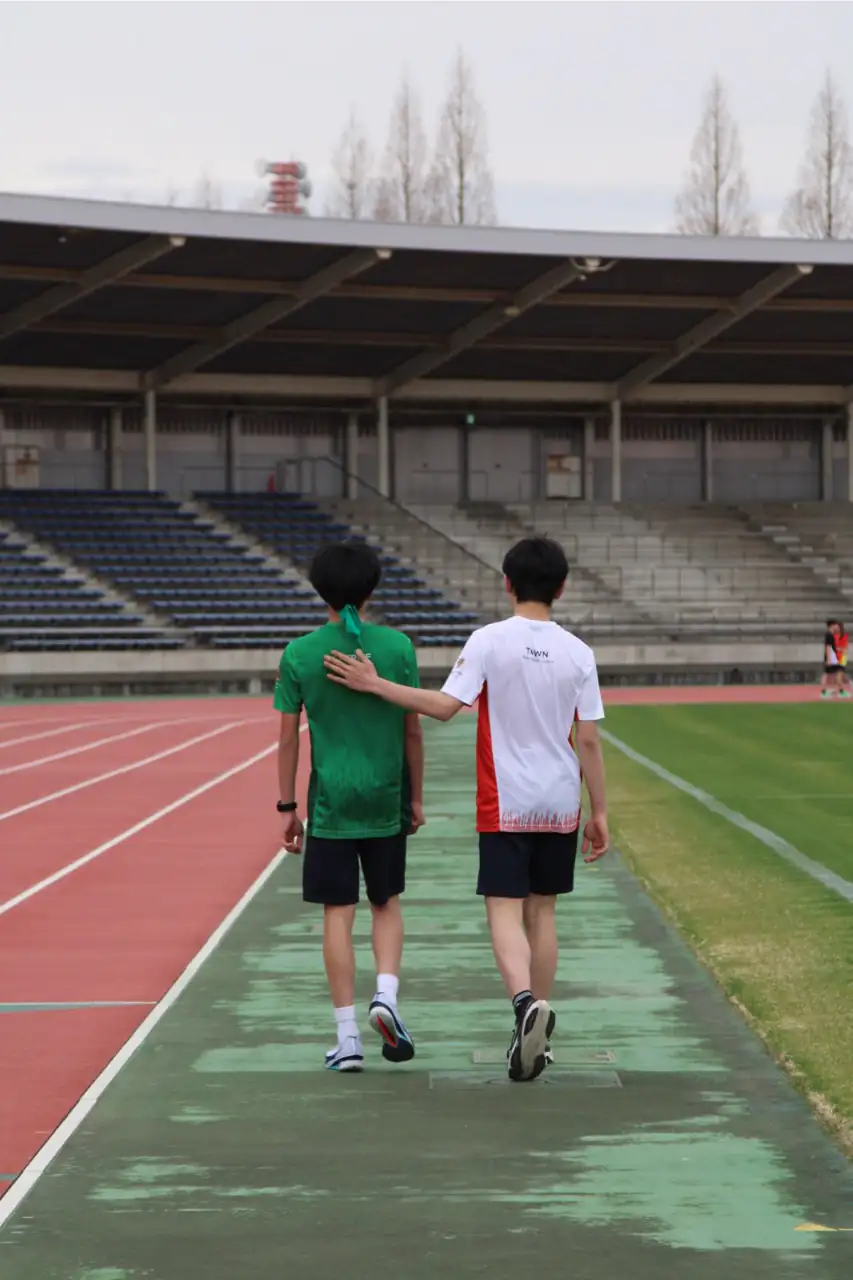
The same principle applies to how we treat one another. A pupil who notices that a classmate is struggling, who makes time to listen or who offers encouragement when someone lacks confidence may never regard these actions as acts of leadership. Yet they can make a considerable difference to another person’s experience of school.
I believe this is where a genuine sense of responsibility begins: recognising that what we do, and sometimes what we choose not to do, affects those around us.
Learning to Take the Lead
At Rugby School Japan, we want pupils to understand that leadership is not reserved for those holding formal positions. Being a Prefect, House leader or School Council representative offers valuable opportunities, but the qualities of responsibility, initiative and consideration for others are ones every pupil should develop.
Our House system provides an important foundation. Every pupil belongs to a smaller community within the School, where they learn to contribute, support one another and take pride in something they share. Through House activities, competitions and everyday interactions, pupils discover that belonging to a community also means taking responsibility for it.
Across academic learning, enrichment, sport, the arts and service opportunities, we encourage pupils to take initiative, work with others and turn their ideas into action. Sometimes this means stepping forward to lead a project or organise an activity. At other times, it means recognising that something needs doing and taking responsibility without being asked.
These experiences help pupils develop not only the confidence to lead, but also the judgement to recognise when and how they can make a difference. They are qualities that will serve them well beyond school, in the communities they join and the responsibilities they assume throughout their lives.
Why Not Me?
One of the most important purposes of education, I believe, is to help young people recognise that they have the capacity to influence the world around them.
At RSJ, our philosophy, ‘The Whole Person, The Whole Point’, reflects our commitment to developing not only academic ability, but also the character, independence and sense of responsibility that enable young people to contribute meaningfully to society.
We cannot expect pupils to solve every problem they encounter, nor does making a difference always require a grand gesture. Sometimes it begins with a small decision: to help rather than walk past, to include rather than exclude, or to act rather than wait for somebody else.
The boy in the starfish story understood that he could not save every starfish on the beach. But he refused to let the size of the problem become a reason to ignore the one directly in front of him.
Perhaps that is where responsibility, and indeed leadership, truly begins. Not with the question of whether we can change everything, but with the willingness to ask, when something needs doing: Why not me?
Dr. Sarah Wade,
Principal, Rugby School Japan